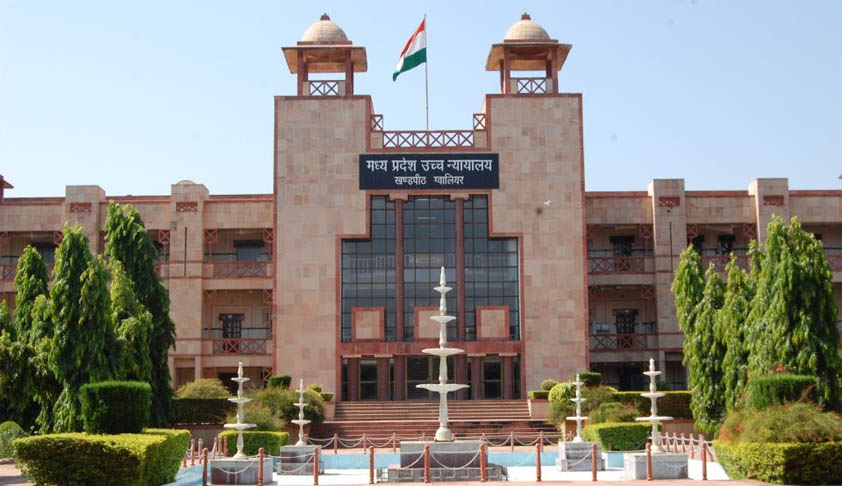
The Madhya Pradesh high court in a writ petition upheld the district court’s decision and refused to quash the detention of an alleged black marketer noting that “with an extraordinary situation of COVID-19 Pandemic, people are dying out of hunger and the State Government cannot close its eyes towards the atrocities which are being committed by the black marketers”
Facts
The petitioner’s husband was accused of offenses punishable under section 420 of IPC read with section 3 and 7 of essential commodities act, 1955 for siphoning food grain which was meant for distribution among the poor under the PDS to black market for profit. Two cases were filed against the husband and he was granted bail for both of them. Upon filing of a report by the superintendent of police the district magistrate ordered detention of the accused under the NSA and same was approved by the state government under section 3(4) of NSA. Therefore the petition was filed against the order of detention by the wife of the accused.
Petitioner’s contentions
The petitioner argued that the impugned order suffered from non-application of mind and the district magistrate erred in law since the offenses were bailable and general in nature no grounds of detention was present. The petitioner further argued that the order was not in compliance of section 3 of the National security act, 1980 and the order was bad in law and in violation of the rights of accused. the petitioner sought quashment of the order and Rs.5 lakh as compensation.
Respondent’s arguments
The state as respondent submitted that due process of law had been followed since the district magistrate only issued the impugned order upon receiving the report from the superintendent of police and the same order of detention was also approved by the state government under section 3(4) of the NSA. The respondent submitted that the order of detention was further confirmed by the advisory board constituted under section 9 of the NSA. The respondent argued that where poor people were dying all over the country during the pandemic, the accused siphoned the food grains meant for the PDS in black market due to which such solitary act was also enough ground for detention.
The court’s decision
The division bench of Justice SC Sharma and Justice Shailendra Shukla observed that the report of superintendent of police and the magistrate’s order were well within the provisions of the NSA act and the same was approved by the state government fulfilling all the statutory requirements. The court held that the order was not bad in law since due process of law was followed. Upon the grounds for NSA the court remarked “the petitioner was certainly a threat to public order as he was involved in siphoning the food grains meant for free distribution / distribution under PDS, especially in light of the COVID-19 Pandemic and therefore, there was sufficient ground in existence before the District Magistrate to pass an order under the National Security Act, 1980”. The court held that the accused created hindrance in supply of essential commodities to the communities which was disruptive to the public order and opined that the district judge was justified issuing the impugned order. The court also noted that “we are dealing with an extraordinary situation of COVID-19 Pandemic, people are dying out of hunger and the State Government cannot close its eyes towards the atrocities which are being committed by the black marketers, who are stopping the supply of food grains to the poor people and who are breaking the chain of supplies of food grain and therefore, the judgment is distinguishable in the peculiar facts and circumstances of the case.” The court dismissed the plea and upheld the district magistrate’s order for detention after noting that sufficient grounds were present for detention and due process was followed fulfilling all the statutory requirements.