Thursday, 21, May, 2026
- Satirical outfit ‘Cockroach Janta Party’ files Trademark Applications after viral rise
- West Bengal government notifies list of 66 OBC classes following Calcutta High Court order
- Collegium recommends the names of six Additional Judges as Permanent Judges in the Bombay High Court
- CBI launches 'ABHAY'- AI-POWERED NOTICE VERIFICATION SYSTEM empowering citizens to verify CBI notices and defeat ‘Digital Arrest’ fraud
- CBI court sentences former Senior Branch Manager, Bank of India and a private person to seven years rigorous imprisonment in bank fraud case
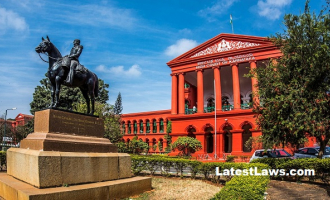
- Advocates’ Association, Bengaluru, opposes move to establish High Court’s Circuit Bench at Mangaluru
- Former High Court Judge Biren Vaishnav sworn in as Lokayukta of Gujarat
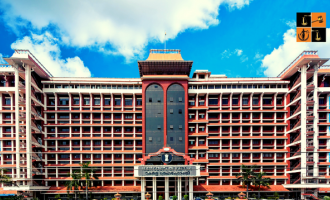
- Keralam government appoints Advocate Mohammed Shah PA as Additional Advocate General in Kerala High Court
- Judge leads rescue of nearly 1000 bonded workers (Read here)
- HC Stays Relief allowing Judicial Staff to skip 3-Year Practice Rule for Civil Judge Exam
- Cyril Amarchand Mangaldas advised Jana Holdings Limited on the sale of its 5,160,903 equity shares held in Jana Small Finance Bank Limited to TVS Motor Company Limited
- Cyril Amarchand Mangaldas advised SiCSem Private Limited on availing fiscal support from the Government of India
- Assessment Internship Opportunity at SSRANA & Co., Delhi [Trademark/Opposition; Offline]: Apply Now!
- Internship Opportunity at Legum Attorney – Chambers of Adv. Ashish Panday, Delhi [June – July 2026]: Apply Now!
- अंग्रेजी जानते हो, तब भी बोलना नहीं चाहते; सुप्रीम कोर्ट ने किस राज्य के लोगों के लिए कह दिया ऐसा?