Monday, 20, Apr, 2026
- Call for Papers: CPUH Journal of Research in Social Sciences 2026: Submit by May 15
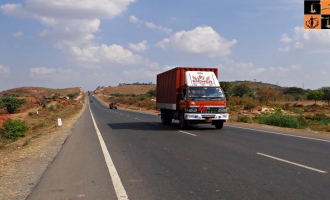
- Supreme Court: Preventable Highway Deaths betray the Constitution, State cannot hide behind Budget Constraints
- Husband’s primary obligation to Maintain Wife cannot be diluted by Financial Liabilities, clarifies SC
- करंट से मौत पर मुआवजे की मांग, हरियाणा सरकार को छह सप्ताह में लेना होगा फैसला; हाई कोर्ट का सख्त आदेश
- Personality Rights | HC restrains unauthorized AI Use of Allu Arjun’s Identity
- Habeas Corpus cannot be Parents' tool to undo Adult Daughter's chosen path of Spiritual Life, rules HC
- S.311 CrPC | Court obligated to summon Witness Essential to Justice despite prosecution’s omission, rules HC
- 70 साल के पिता को रॉड से पीट घर से निकाला, कोर्ट ने बहू और 3 बेटों को मकान खाली करने का दिया आदेश
- Jacqueline Fernandez asks Delhi Court to let Her turn approver in Rs.200 Crore fraud case
- NHRC invites entries for its 12th annual competition for short films on human rights
- Is India's Opposition Leader a British Citizen? High Court says Investigate, and Orders an FIR against Rahul Gandhi
- Advocate entering Appearance in Court without any Authority is a Serious Professional Misconduct, HC Orders Action
- J&K High Court recommends 11 New Judges, first ever Woman Judge from Kashmir on the Horizon
- आदेश की अवहेलना पर हाईकोर्ट का सख्त रुख, तृतीय श्रेणी भर्ती मामले में अधिकारियों को व्यक्तिगत पेशी का निर्देश
- Internship Opportunity at Central Administrative Tribunal, New Delhi [4 – 6 Weeks; 5 Positions]: Apply Now!