Tuesday, 21, Apr, 2026
- Right of Regularisation of Employment can't be Defeated by short Breaks in Ad-hoc Service, Rules SC
- Once a Decree is Passed, Execution Court can't Modify it's terms, Rules SC
- हाईकोर्ट से बड़ी राहत: ₹2.5 करोड़ के लोन विवाद में जबरन कार्रवाई पर रोक
- A Mere Entry into it's Records doesn't make Govt. Owner of a Property, Rules SC
- National Level Constituent Assembly Debate Competition 2026 by Amity Law School, AUMP [Virtual; Win Exciting Prizes; April 29 – 30]: Register by April 23
- एक ही FIR में दोबारा गिरफ्तारी के लिए कारण दोहराना अनिवार्य नहीं, हाई कोर्ट का बड़ा फैसला
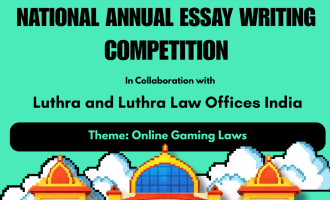
- National Annual Essay Writing Competition by CARCIL, CNLU Patna & Luthra and Luthra [Online; Cash Prize of Rs. 22.5k]: Submit by May 30!
- तलाक मामले में हाईकोर्ट की नई व्यवस्था, बूंदी पारिवारिक न्यायालय का फैसला किया रद्द
- लंबे समय से जेल में बंद UAPA के आरोपी रहमान की बेल खारिज, पर सुप्रीम कोर्ट के खास आदेश से जगी इंसाफ की उम्मीद
- हाई कोर्ट का फैसला: पिता नहीं बच सकते बच्चे के भरण-पोषण की जिम्मेदारी से, 8000₹/माह देने का निर्देश
- JOB POST: Associate at Anant Merathia & Associates, Chennai [3 Positions; 0-2 PQE; Offline]: Apply by April 30
- SC pulls up Centre for not rendering logistical assistance to Court-appointed Committee conducting Audit of Pvt. Universities, issues contempt to Edu. Secretary
- Recusal has to step from law and not narrative, this is Defining moment for the court: Justice Swarana Kanta Sharma on Recusal Pleas
- Call for Papers: VIPS Student Law Review by Vivekananda Institute of Professional Studies-TC (VIPS) [Aug 2026; Vol VIII]: Submit by May 10
- JOB POST: Attorney – General IP at ALG India Law Offices, Delhi [PQE of 6 Months – 1 Year; Offline]: Apply by April 24