Sunday, 19, Apr, 2026


Expand O P Jindal Global University
 

A Claimant who once Abandons Arbitral Proceedings can't Restart them, Rules SC


Supreme Court OIL.png
02 Apr 2026
Categories: Latest News Arbitration

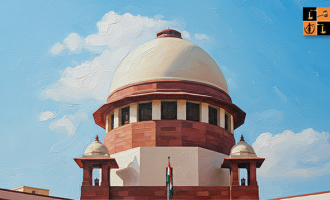
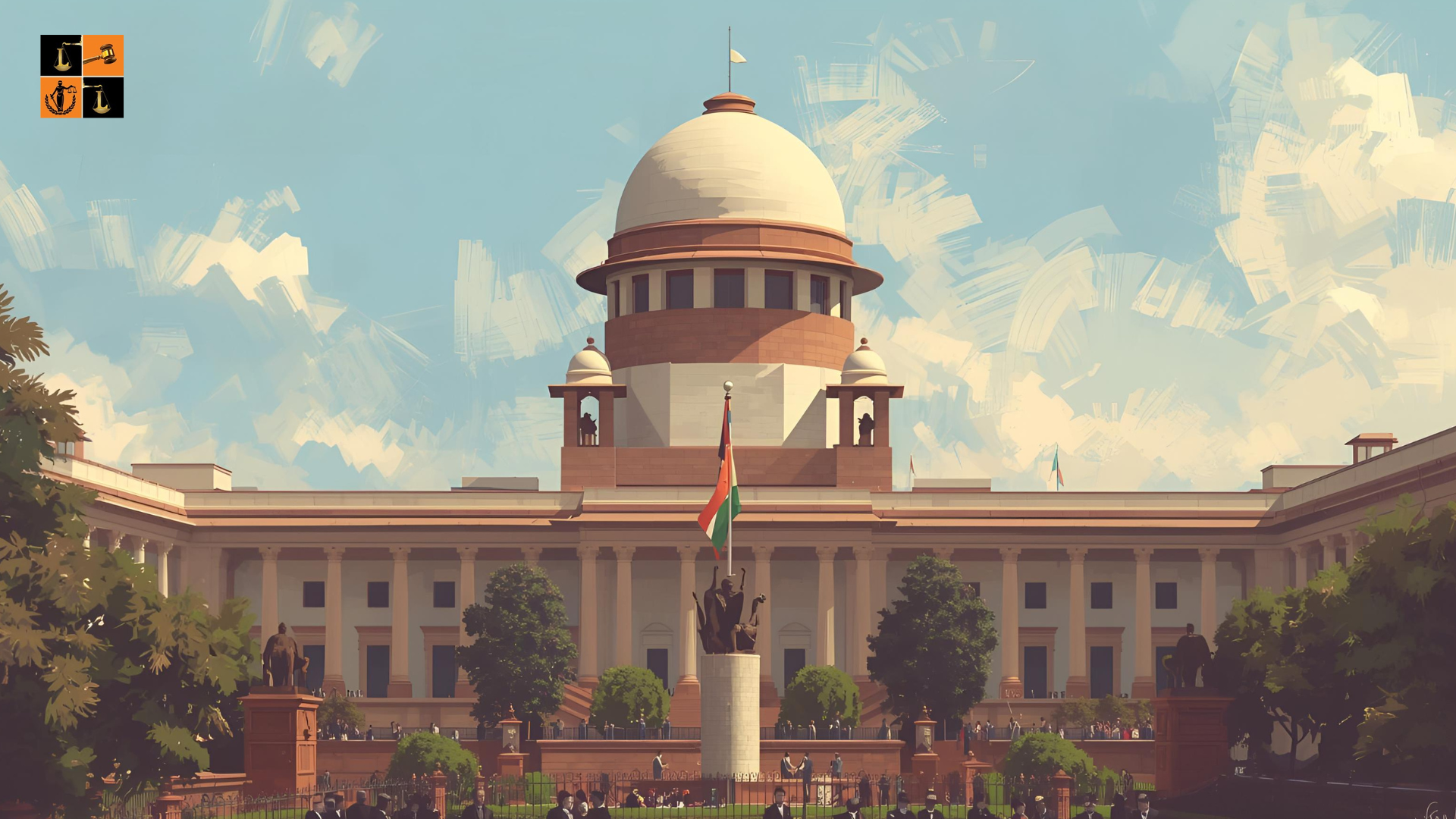
On Wednesday, in a significant procedural challenge concerning the limits of arbitration rights, the Supreme Court stepped in to scrutinize whether a party can revive disputes after walking away from earlier arbitral proceedings. The case raised a critical question: can litigants re-trigger arbitration on the same cause of action after abandoning it midway? The Court emphasised that procedural remedies under Section 11 of the Arbitration and Conciliation Act cannot be misused to revive claims that have been consciously abandoned.

The controversy began when two business partners entered into a joint venture to acquire land in Punjab through a bank auction, governed by multiple agreements containing arbitration clauses. Disputes soon surfaced, prompting the Respondent to invoke arbitration in 2015. However, after initiating the process and participating briefly, the Respondent withdrew from proceedings, alleging bias and eventually refused to engage altogether.

Despite this, the arbitral tribunal proceeded and delivered an award in 2020 in favour of the Appellant, even granting the respondent a final window to revive his claims, an opportunity that went unused. Years later, following a separate Apex Court ruling upholding the auction, the Respondent attempted to initiate a fresh round of arbitration through a second Section 11 application, which the High Court allowed, setting the stage for the present appeal.

The Division Bench of Justice P.S. Narasimha and Justice Alok Aradhe held that the Respondent’s conduct clearly amounted to abandonment of the earlier proceedings. The Court emphasised that procedural law cannot be bent to allow repeated bites at the same dispute, observing, “A litigant cannot be permitted to abuse the process of Court to file a fresh proceeding again on the same cause of action… the bar contained in Order 23 Rule 1… is founded on Public Policy.” It clarified that even in arbitration matters, the principles of Order 23 Rule 1 of the CPC apply with full force, preventing fresh proceedings absent liberty at the time of withdrawal. Rejecting the High Court’s approach, the Court concluded that no new cause of action had arisen and that the second arbitration attempt was legally untenable.

Consequently, the appeal was allowed, and the High Court’s order appointing an arbitrator was set aside.


Case Title: Rajiv Gaddh Vs. Subodh Parkash

Case No.: SLP (C) No. 4430 of 2025

Coram: Hon’ble Mr. Justice Alok Aradhe

Advocate for the Petitioner: Sr. Adv. Anil Airi, AOR Lubna Naaz, Adv. Azra Rehman, Adv. Arvind Bhatt, Adv. Asheesh Kumar Mishra, Adv. Harsh Gautam, Adv. Vishal Tyagi, Adv. Bindya Logawney Airi, Adv. Jasmin Sokhi

Advocate for the Respondent: Sr. Adv. Gagan Gupta, AOR Mahesh Thakur, Adv. Vibhav Chaturvedi, Adv. Narveer Yadav, Adv. Siddhartha Sati, Adv. Ruchi Kumari, Adv. Anusha R, Adv. Anthony Raju

Read Judgment @Latestlaws.com


Download the LatestLaws.com Mobile App
 
 
Latestlaws Newsletter
 

Publish Your Article


Campus Ambassador


Media Partner


Campus Buzz


LatestLaws Guest Court Correspondent

LatestLaws Guest Court Correspondent Apply Now!

 

LatestLaws.com presents: Lexidem Offline Internship Program, 2026


LatestLaws.com presents 'Lexidem Online Internship, 2026', Apply Now!



LatestLaws Partner Event : IDRC


Latestlaws Newsletter