









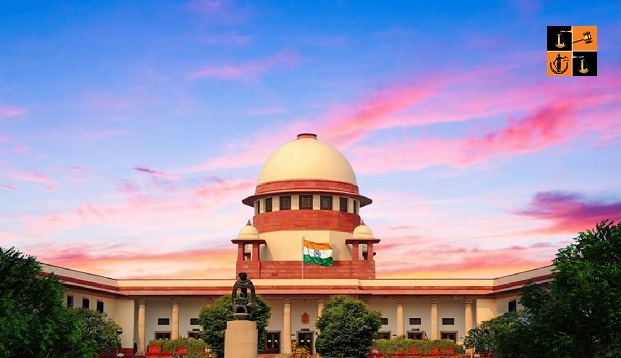
On Wednesday, the Supreme Court agreed to examine whether a constitutional court can replace a life sentence with a fixed-term sentence in cases of heinous crimes.
The case arises from the conviction of a former Roman Catholic priest for repeatedly sexually assaulting a Class VIII girl between 2014 and 2015. Following a complaint filed by the victim’s mother in April 2015, the trial court convicted him under the Indian Penal Code, 1860 (IPC), and the Protection of Children from Sexual Offences Act, 2012 (POCSO), and sentenced him to life imprisonment. In March 2023, the High Court modified the punishment to 20 year's imprisonment without remission.
Counsel for the convict argued that he had already undergone nearly 10 years in custody, which constitutes half of the sentence imposed by the High Court, and sought bail pending appeal. The broader legal issue raised was whether a constitutional court can substitute life imprisonment with a fixed-term sentence.
The Bench observed that such fixed-term sentences are usually awarded when the death penalty is deemed excessive, but the case does not fall into the “rarest of rare” category. It noted that the question of whether this power extends to substituting life sentences awarded by trial courts requires examination.
The Court held that the larger question of law on the validity of fixed-term sentencing in lieu of life imprisonment would be considered at the stage of the final hearing. Granting bail to the convict, it recorded that he had already spent nearly a decade in prison.
Picture Source :




















