









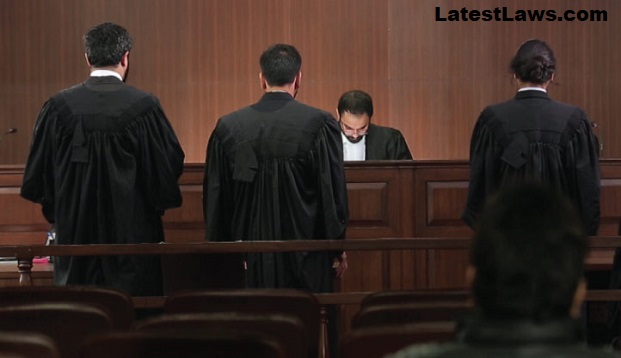
The Bombay High Court, while hearing a Public Interest Litigation (PIL) concerning financial aid to young lawyers, questioned the existence of any statutory entitlement to stipends for junior members of the Bar and expressed concerns over the source of funding for such a proposal.
The PIL, filed in 2022 by twelve young advocates practicing in Maharashtra, seeks the institution of a monthly stipend of ₹5,000 for lawyers in their initial three years of practice whose annual income does not exceed ₹1 lakh. The petitioners proposed that this financial assistance be routed through the Maharashtra Advocates Welfare Fund. In support of their plea, they referenced recommendations issued by the Bar Council of India (BCI) advocating stipends of ₹15,000 and ₹20,000 for lawyers practicing in rural and urban areas respectively. They further relied on directions passed by other High Courts, including the Delhi High Court, and pointed to comparable initiatives in states such as Tamil Nadu, Kerala, Jharkhand, and Andhra Pradesh.
Appearing for the petitioners, counsel submitted that junior lawyers often face acute financial distress during their early years at the Bar, exacerbated by circumstances such as the COVID-19 lockdowns. It was argued that providing a subsistence stipend would enable young advocates to remain in the profession and develop their practice. Citing the BCI’s prior recommendations, counsel contended that the plea was consistent with the broader objective of professional sustenance for junior advocates.
The petitioners also referred to existing schemes in other states, highlighting that certain High Courts had issued directions in similar matters. They contended that the stipend could be financed through the Maharashtra Advocates Welfare Fund, thereby institutionalising the support structure within the existing statutory setup.
A Division Bench comprising Chief Justice Alok Aradhe and Justice Sandeep Marne raised foundational concerns regarding the legal basis of the claim. While expressing personal sympathy with the cause, the Bench queried: “What is the statutory right? On a personal level, we support you. We agree with you... But principally, who will give this? Bar Council has no funds. Will you give any funds? There is no element of public interest in this. How is society in general concerned with stipend to young lawyers?”
In response to the petitioners’ reliance on the BCI’s recommendations and precedents from other jurisdictions, the Chief Justice remarked: “Why just ₹15,000? We believe that in cities like Mumbai, ₹45,000 should be paid. But where will the funds come from?”
The Bench noted the financial implications of such a policy, observing that the Bar Council of Maharashtra and Goa (BCMG) had estimated the annual cost of implementing the stipend at approximately ₹155 crore. The Court asked how this sum could realistically be mobilised.
The Bench deferred further hearing for two weeks and directed all parties to return with clarity on the existence of any statutory entitlement to a stipend for junior lawyers. It also sought further submissions on potential sources of funding, observing that unlike in some other states, the Government of Maharashtra had not extended aid to support such schemes.
The matter stands adjourned, pending additional submissions on the legal and financial viability of the reliefs sought.
Picture Source :




















