









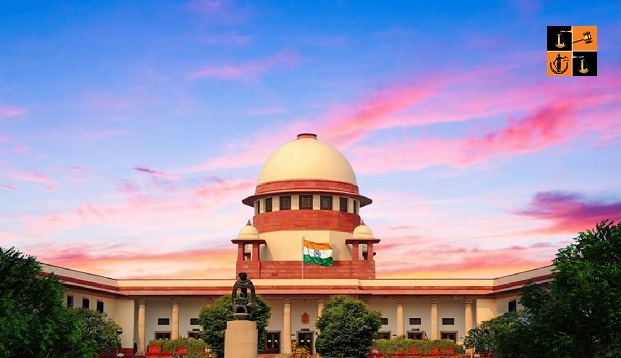
Recently, the Supreme Court declined to entertain a writ petition seeking criminal action against members of the Shivashakthi Foundation and others for allegedly inciting hatred against the Christian community and calling for desecration of the Holy Bible. The Court, while refusing to grant relief under Article 32 of the Constitution, directed the petitioners to pursue appropriate remedies before the jurisdictional magistrate. The Bench, however, observed that if the magistrate failed to take necessary steps, the petitioners could approach the High Court under its supervisory jurisdiction.
The matter arose out of allegations pertaining to an event organized in Andhra Pradesh on September 1, 2024, by the Shivashakthi Foundation. The petitioners, led by Ashok Baby Chegudi, had initially approached the Andhra Pradesh High Court seeking directions against the Shivashakthi Foundation, Hindu Jana Shakti, and one Radha Manohar Das, accusing them of promoting religious hatred and making provocative statements against Christian beliefs and sacred texts. The petitioners also alleged inaction on the part of the local police despite complaints having been filed.
The Andhra Pradesh High Court, in its March ruling, dismissed the petition as “misconceived,” noting that the allegations lacked specificity and were general in nature. The High Court had clarified that in case the petitioners believed any criminal offence was disclosed, they could seek remedies under existing statutory provisions.
Before the Apex Court, the petitioners’ counsel submitted that the President of Shivashakthi Foundation, during a publicly broadcasted gathering, had incited his followers to urinate on and trample the Holy Bible. He argued that despite reporting the matter to the Superintendent of Police, Deputy SP, and the local police station, no substantial action was taken by the authorities. He added that a complaint had been filed before the concerned magistrate but was not taken on record. The counsel emphasized that such acts amounted to grave violations of religious harmony and demanded judicial intervention at the constitutional level.
Responding to the arguments, the Bench comprising Justice Surya Kant and Justice Joymalya Bagchi observed that the appropriate forum for initiating such proceedings would be the jurisdictional criminal court. Justice Surya Kant remarked, “File a prosecution. The corresponding provision is there. You can file a petition or complaint before the Court. And if that Court does not take cognizance or does not respond well, then please go to the High Court.” When counsel highlighted that the High Court had dismissed their earlier petition as vague, the Court reiterated that the statutory route must be followed and appropriate remedies are available under law.
The Court also recorded that the petition involved complex factual aspects and that the constitutional jurisdiction under Article 32 cannot be invoked where adequate alternate remedies exist.
Ultimately, the Top Court declined to entertain the plea under Article 32 and dismissed the writ petition. However, the Court granted liberty to the petitioners to approach the magistrate concerned, and in case of inaction, to seek further directions from the High Court exercising its supervisory jurisdiction.
Picture Source :



















