









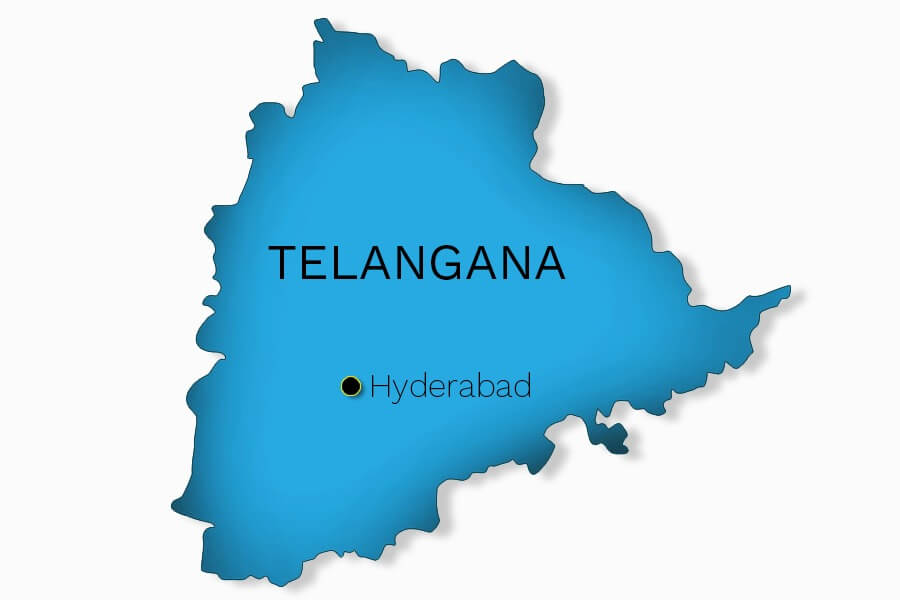
The Supreme Court has clarified that laws applicable in a parent state will remain valid in a newly formed state unless the new state alters, repeals, or amends them. A bench comprising Justice C.T. Ravikumar and Justice Rajesh Bindal made this observation while addressing a dispute on whether Telangana’s consent was required for Central Bureau of Investigation (CBI) probes following its bifurcation from Andhra Pradesh.
The court ruled that Telangana does not need to grant fresh approval for CBI investigations as the consent provided by Andhra Pradesh under the Delhi Special Police Establishment Act, 1990, continues to apply. The bench emphasized, "All laws applicable in a state would also be valid in a new state carved out of it unless the law is altered or amended by the new state."
The judgment draws from the Supreme Court's earlier ruling regarding the bifurcation of Bihar and the creation of Jharkhand. The apex court had held that the laws applicable to the undivided Bihar would continue to operate in Jharkhand until specifically modified by the latter. Applying the same principle, the bench stated that the legislative continuity extends to Telangana, ensuring that the Delhi Special Police Establishment Act remains effective.
The court further clarified that no separate approval from the Telangana government is required for the CBI to investigate and register cases against central government employees working in the state. This ruling upholds the principle that existing legal frameworks remain operative in successor states unless explicitly changed.
Picture Source :




















