









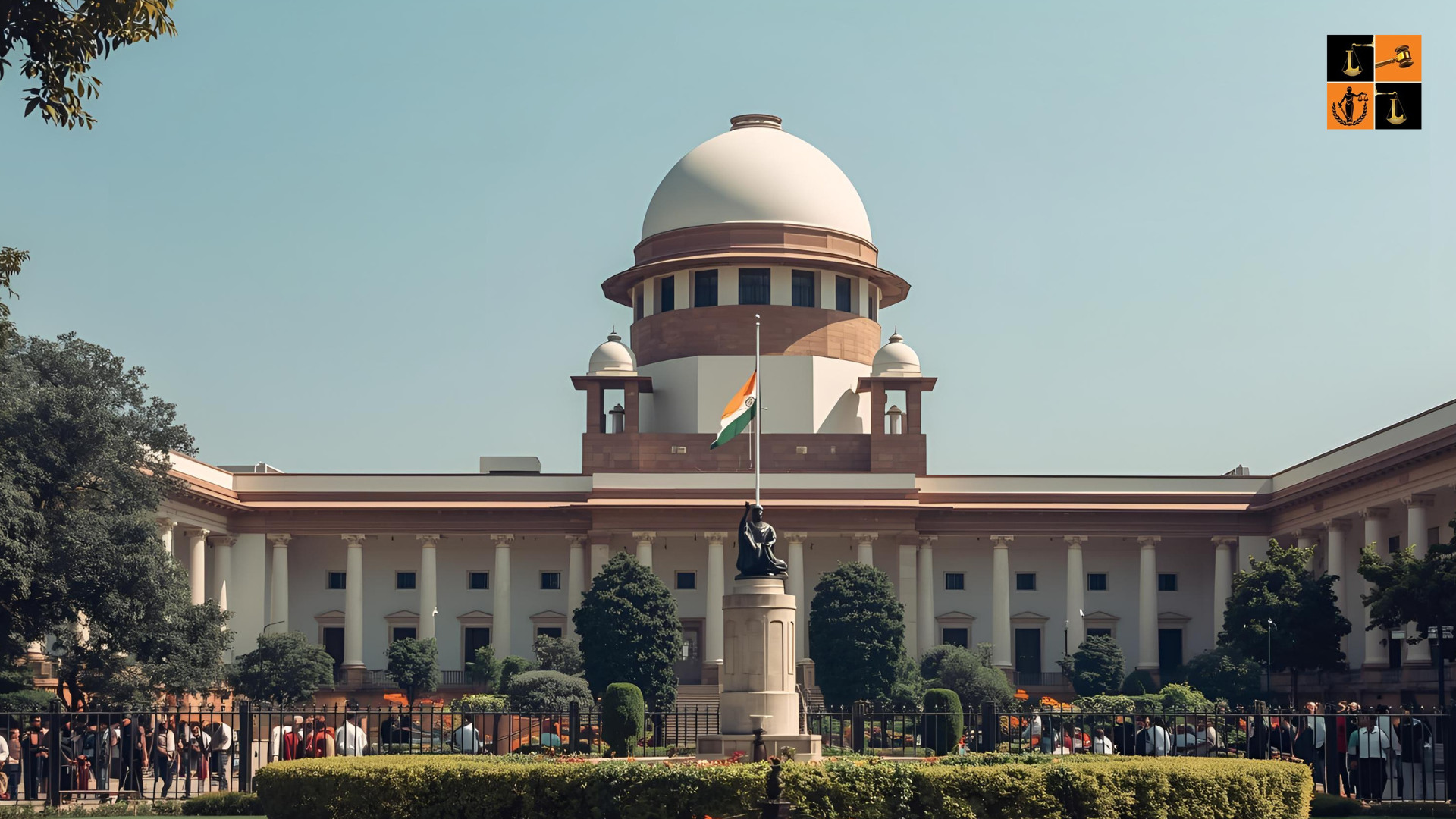
The Supreme Court has orally supported the proposal to deploy de-duplication software for identifying duplicate entries in electoral rolls, during the ongoing Special Intensive Revision (SIR) of voters’ lists being carried out across several States.
A Bench comprising Justice Surya Kant and Justice Joymalya Bagchi was hearing an application filed by the Association for Democratic Reforms (ADR) seeking directions to the Election Commission of India (ECI) for ensuring transparency and accuracy in the revision process.
During the hearing, Advocate Prashant Bhushan, appearing for ADR, submitted that advanced de-duplication technology could effectively eliminate repeated entries of the same voter. Endorsing the idea, Justice Kant remarked that the suggestion was “appropriate” and that “there should be no issue with such a measure.”
The application also sought directions restraining the ECI from conducting citizenship verification during the SIR exercise, contending that the Commission lacks statutory authority to determine citizenship. In response, the Bench observed that such questions of power and jurisdiction would be examined at the stage of the final hearing.
Counsel further urged that voters submitting enumeration forms should receive acknowledgment slips, noting that the absence of digital uploads left citizens without proof of submission. Bhushan also suggested making the 2002 electoral roll accessible in a machine-readable format to assist voters in verifying family records.
The Bench, however, referred to the 2018 Kamal Nath judgment, which had ruled against furnishing electoral rolls in machine-readable form. Justice Bagchi expressed caution, observing that privacy and data security concerns could arise if the data became susceptible to “data mining” by third parties.
He noted that voter data is a “valuable public asset ” held by the ECI in trust and suggested that access could instead be provided through a password-protected mechanism, allowing individuals to verify their own details on an encrypted database.
Responding to Bhushan’s concerns about the lack of accessibility, Justice Bagchi remarked, “Even if you lock your house, it may still be broken into, but that does not mean you stop locking it,” emphasizing the need for both accessibility and data protection.
The Bench has now sought a formal response from the Election Commission of India on ADR’s proposals and asked Bhushan to explore the feasibility of password-protected voter verification. The matter will next be heard on November 26, alongside connected petitions challenging the SIR in Tamil Nadu and West Bengal.
Disclaimer: This news/ article includes information received via a syndicated news feed. The original rights remain with the respective publisher.
Picture Source :



















