









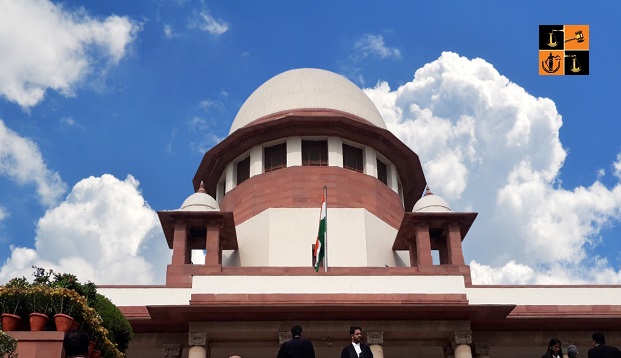
Recently, the Supreme Court dismissed a petition against the Gujarat government’s Sabarmati Ashram redevelopment, citing an inordinate delay of over two years. Upholding the Gujarat High Court’s decision, the Court noted that belated petitions cannot be entertained without valid justification.
The matter arose from a petition filed by Tushar Gandhi, great-grandson of Mahatma Gandhi, against the Gujarat government's March 2021 resolution for the "comprehensive development" of the Gandhi Ashram Memorial and its surrounding areas. The petitioner had approached the Supreme Court contesting the Gujarat High Court’s October 2022 ruling, which had approved the state’s plan based on an undertaking that the core ashram premises would not be disturbed.
The petitioner argued that the redevelopment project was contrary to Gandhian principles and violated constitutional provisions, particularly Article 39, which discourages the concentration of wealth, and Article 49, which mandates the protection of monuments of national importance. The plea further alleged that the ashram’s transformation into a theme park through large scale investment would compromise its essence as a symbol of peace and simplicity. Additionally, concerns were raised regarding the potential displacement of Harijan families and the sidelining of existing Gandhian trusts. The petition also relied on a 1933 letter by Mahatma Gandhi, asserting that the ashram land was intended to be transferred to the Harijan Sevak Sangh.
The Supreme Court stated, "Petitions must be filed within a reasonable timeframe, and undue delay in approaching the court cannot be overlooked without substantial grounds." The Bench, comprising Justice M.M. Sundresh and Justice Rajesh Bindal, noted that the Gujarat High Court had already scrutinized the matter and the petitioner had failed to present any compelling legal basis to challenge the redevelopment plan at this stage. The Court emphasized that while the preservation of historical sites is crucial, the judicial process cannot be invoked belatedly to obstruct sanctioned development initiatives.
Accordingly, the Top Court dismissed the petition, affirming the Gujarat High Court’s decision and allowing the state government to proceed with the redevelopment project as per the undertaking given.
Picture Source :




















