









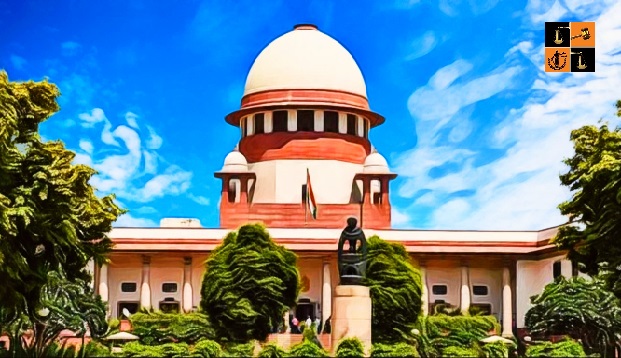
The Supreme Court questioned the State's reliance on national security to withhold surveillance details, while reaffirming that individual privacy is a constitutionally protected right. The observation came during hearings on pleas for an independent probe into the alleged misuse of Pegasus spyware, with the Court remarking that the mere possession of such tools by the State is not objectionable, what matters is their actual use and intended targets.
The matter arises from a batch of writ petitions filed in 2021 by journalists, activists, and public figures who alleged targeted surveillance through the Israeli spyware Pegasus. The allegations stemmed from investigative reports which claimed that the spyware had been used against Indian citizens, including journalists and opposition leaders. In response, the Supreme Court, in October 2021, constituted an expert committee led by former judge Justice R.V. Raveendran to probe the matter after finding prima facie grounds for concern and noting the Union Government’s non-cooperation at the time.
During the latest proceedings, Solicitor General Tushar Mehta, representing the Union, sought an adjournment citing the long hiatus in hearings. The Court agreed and scheduled the matter for July 30, 2025. However, the Bench, comprising Justice Surya Kant and Justice N. Kotiswar Singh, pressed for clarity on what issues remained unresolved given the previous judicial interventions and expert committee findings. Justice Kant asked, “What survives in this matter?”
Senior Advocate Kapil Sibal, appearing for journalist Paranjoy Guha Thakurta, pointed to a recent judgment from a United States court in a case brought by WhatsApp against the NSO Group (developer of Pegasus). He highlighted that the U.S. court had confirmed India as one of the jurisdictions where Pegasus was deployed to compromise WhatsApp users. Sibal contended that the Committee’s report should now be partially disclosed to the affected individuals, particularly in light of this fresh factual evidence. “Your Lordships had no conclusive proof earlier. Now, even WhatsApp has acknowledged the targeting,” he submitted.
Joining Sibal, Senior Advocate Shyam Divan argued for the complete, unredacted publication of the expert committee’s findings, asserting the principle of open justice. However, SG Mehta opposed this request, warning that public disclosure of sensitive sections might compromise national security. The Court indicated that while security-sensitive material cannot be revealed, individual-specific portions of the report could potentially be shared with those affected.
Significantly, Justice Kant orally observed, “There is nothing wrong with possessing spyware. The real concern is who it is used against. National security cannot be sacrificed, but neither can individual constitutional rights be brushed aside.” In response to Mehta’s assertion that “terrorists cannot claim privacy rights,” Justice Kant emphasized that civilian privacy remains protected under the Constitution.
Sibal and Divan also reminded the Court that the Centre had earlier refused to disclose whether it had procured Pegasus, and that the Justice Raveendran Committee had noted a lack of cooperation from the Government. Justice Kant clarified that the sealed committee report remains unread by the Bench, keeping it in judicial custody.
Concluding the day’s hearing, the Court allowed circulation of the U.S. court judgment within two weeks and adjourned the matter to July 30, 2025. The petitioners include senior journalists, politicians, activists, and organizations such as the Editors Guild of India, who continue to seek accountability and transparency in the alleged surveillance scandal.
Picture Source :




















