









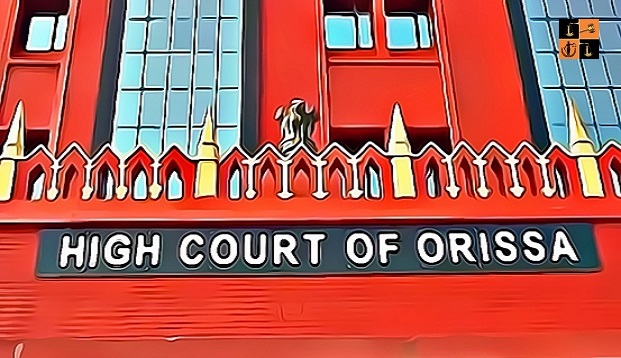
Recently, the Orissa High Court declined to entertain a criminal miscellaneous petition seeking directions against alleged police harassment and an independent inquiry into the conduct of police officials in connection with a dispute between a gym customer and the gym owner. The Court held that when the petitioner had already pursued remedies before statutory bodies like the Odisha Human Rights Commission and the State Information Commission, and had not challenged those orders, the extraordinary jurisdiction under Article 226 of the Constitution could not be invoked for similar reliefs. While disposing of the matter, the Court delivered a significant caution, observing that amicable settlements facilitated by police must always be voluntary and free from pressure or threats.
Brief Facts:
The dispute originated from a disagreement between the petitioner and the owner of a fitness centre over a minor issue related to wearing gym shoes outside the entrance area of the establishment. Aggrieved by what he described as discriminatory and humiliating treatment by the gym staff, the petitioner posted negative reviews about the gym on its Google page. According to the petitioner, shortly thereafter several police personnel allegedly arrived at his residence based on an oral complaint made by the gym owner, threatened him with arrest, and forced him to delete the online reviews. The police, however, maintained that the matter had been recorded as a general diary entry at Shree Lingaraj Police Station and that both parties had subsequently appeared before the police station where the dispute was amicably settled in the presence of their relatives.
Dissatisfied with the events, the petitioner and his mother initiated multiple proceedings before different forums. They sought information under the Right to Information Act regarding the deployment of police personnel and CCTV footage of the alleged incident. They also approached the Odisha Human Rights Commission (OHRC), alleging police misconduct and abuse of authority. The OHRC directed an inquiry, following which a report was submitted stating that the dispute had been resolved amicably and that no formal police case had been registered.
The Commission eventually closed the complaint, observing that there was no merit in the allegations. Similarly, the State Information Commission disposed of the second appeal under the RTI Act, noting that all permissible information had already been supplied and the denial of CCTV footage was legally justified. Without challenging these decisions, the petitioner subsequently approached the High Court seeking similar directions.
Contentions of the Petitioner:
Counsel for the petitioner argued that the police had acted arbitrarily and subjected the petitioner to harassment and humiliation by visiting his residence and threatening him with arrest based on an oral complaint by the gym owner. It was submitted that the alleged settlement between the parties was not voluntary and lacked legal formalities such as proper signatures or independent witnesses. The petitioner also contended that his workout videos had been circulated without authorization and that his requests for accountability from the police authorities had not been addressed effectively.
Accordingly, the petitioner sought directions from the High Court restraining the police from interfering with his life, ordering preservation and production of CCTV footage from the police station, and directing an independent inquiry into the alleged abuse of authority by the concerned police officials.
Contentions of the Respondent:
The State, represented by the Additional Standing Counsel, opposed the petition and submitted that the petitioner had already approached multiple statutory forums including the Odisha Human Rights Commission and the State Information Commission under the RTI Act. Both authorities had passed detailed, reasoned orders after considering the allegations and conducting inquiries where necessary. It was argued that the petitioner had neither challenged those orders nor exhausted the remedies available under the law before approaching the High Court. The State also pointed out that the dispute had been amicably settled before the police station and that the petitioner himself had admitted to deleting the Google reviews following the settlement. Therefore, the present petition seeking similar reliefs amounted to an attempt to re-agitate issues already examined by competent authorities.
Observations of the Court:
The Court carefully examined the records and the orders passed by the Odisha Human Rights Commission and the State Information Commission. The Court noted that the petitioner had already availed remedies before these statutory bodies, both of which had considered the allegations and disposed of the proceedings through reasoned orders. In this context, the Court emphasized that it would be inappropriate to exercise extraordinary jurisdiction under Article 226 of the Constitution to grant similar reliefs when the petitioner had failed to challenge the earlier decisions of those authorities.
Addressing the specific prayers made in the petition, the Court held that no direction was required restraining the police from acting illegally since the police were already bound by law to perform their duties within the legal framework. The Court also declined the request to preserve CCTV footage, observing that such recordings are not preserved indefinitely and that the alleged incident had taken place nearly two years earlier. With respect to the request for an independent inquiry into police conduct, the Court observed that the OHRC had already directed an inquiry and passed an order after examining the matter. Consequently, it held that directing another inquiry would be unwarranted.
Significantly, while disposing of the matter, the Court made broader observations about police-mediated settlements. It stressed that “amicable settlement and mediation is/are a laudable method(s) for settlement of disputes and misunderstandings” and recognized that such mechanisms help resolve minor conflicts while preserving relationships. However, the Court cautioned that “an amicable settlement is supposed to be voluntary and free from pressure or threats.” To prevent future disputes regarding the genuineness of such settlements, the Court suggested that authorities ensure transparency by preserving video recordings and recording statements of the parties involved so that no party later alleges that force or threat was used during the settlement process.
The decision of the Court:
In conclusion, the Orissa High Court disposed of the criminal miscellaneous petition, holding that the petitioner could not seek relief under Article 226 when alternative remedies were available and when the orders of the Odisha Human Rights Commission and the State Information Commission had not been challenged. The Court clarified that the appropriate course for the petitioner was to challenge those orders before the competent forum. The core legal principle emerging from the decision is that constitutional writ jurisdiction cannot be invoked to reopen disputes already examined by statutory authorities, particularly when effective alternate remedies remain available.
Case Title: Abhijeet Acharya vs. State of Odisha and Ors.
Case No.: CRLMP No. 109 of 2026
Coram: Justice Savitri Ratho
Advocate for Petitioner: Adv. Debasis Debadarshan
Advocate for Respondent: Adv. Sarathi Jyoti Mohanty
Read Judgment @Latestlaws.com
Picture Source :




















