









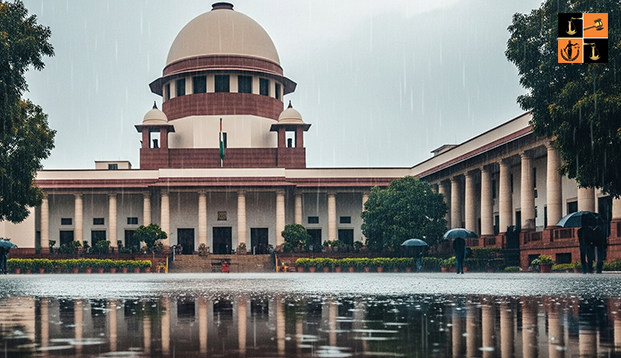
The Supreme Court has declined to allow interim inclusion of voters who were excluded during the Special Intensive Revision (SIR) of electoral rolls in West Bengal, holding that pending appeals cannot justify automatic entry into the voter list. The ruling, delivered ahead of the state’s upcoming Assembly elections, underscores the Court’s stance that verification processes must reach finality before electoral rolls are altered, reinforcing procedural integrity over expedient inclusion.
The dispute arose from the SIR of electoral rolls in West Bengal, where judicial officers were tasked with verifying voter eligibility amid allegations of discrepancies. Following verification, lakhs of names were deleted, triggering widespread appeals by affected voters. The Court had earlier directed the constitution of appellate tribunals to review such challenges, given concerns about procedural fairness and institutional trust. The State argued that many of those excluded were previously listed in the 2002 electoral rolls, and sought interim relief to allow their inclusion while appeals remained pending, citing the risk of disenfranchisement.
It was further highlighted that the appellate mechanism was still in its early stages and a large number of cases awaited adjudication. Senior advocates appearing for the petitioners urged the Court to permit conditional or interim inclusion based on prima facie evidence, such as prior voter status or supporting documentation, to prevent exclusion before final adjudication.
Rejecting the request for interim inclusion, the Court emphasized that once a structured verification has been carried out, the process cannot be diluted by provisional orders. It held that while appeals are a statutory safeguard, they do not automatically entitle a person to be restored to the rolls without final determination.
Justice Joymalya Bagchi noted that permitting interim inclusion solely on the basis of prior listing would undermine the integrity of the verification exercise, observing, “We cannot on that contemplation allow some people because they were earlier mapped.” The Court reiterated that first-stage verification by judicial officers must be respected, and only those who have cleared that stage should be included in supplementary rolls, while appeals will proceed independently.
Accordingly, the Court refused to grant interim relief and declined to interfere with the ongoing appellate process.
Picture Source :




















