









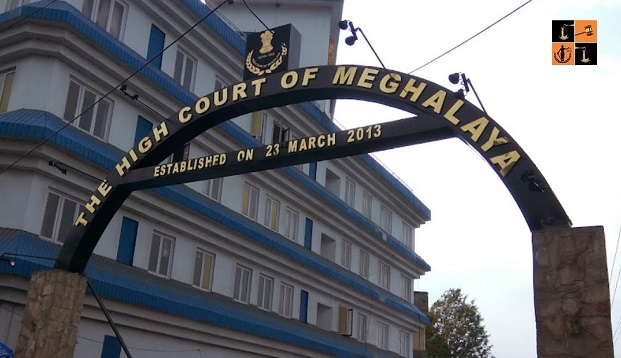
The International Spirits and Wines Association of India (ISWAI) and the Association of Meghalaya Bonded Warehouses (AMBW) presented their arguments in the Meghalaya High Court today, challenging the establishment of the Central Bonded Warehouse (CBW) in the state. They highlighted concerns regarding unfair practices and differential treatment by the CBW, which acts as the sole wholesaler for alcoholic beverages in Meghalaya.
According to the petitioners, the four partners of the CBW also own distilleries and other bonded warehouses, creating a conflict of interest. This ownership structure places the partners in a position similar to that of the bonded warehouses and liquor manufacturers, undermining the fairness of the process. Furthermore, the CBW's role as a client of the bonded warehouses raises additional concerns.
The partnership deed for the CBW was executed just before the government introduced a new policy related to bonded warehouses in October 2020. The petitioners argue that this timing raises suspicions about the CBW's establishment and the subsequent selection process.
The petitioners also allege that the CBW charges variable rates to different manufacturers, which disrupts the level playing field and affects the supply chain. Higher rates for certain manufacturers and lower rates for others can influence the quantity of supplies and the products available to retailers. Selective incentives offered or proposed by the CBW further distort the price mechanism, potentially favoring certain manufacturers and distillers.
The petitioners contend that if different rules are applied to different suppliers, the CBW gains monopolistic control over the supply of liquor. Despite the CBW's assurance of sourcing supplies from all manufacturers, the quantity of supplies ultimately depends on the CBW's financial gains from transactions.
In the past, individual agreements between manufacturers and bonded warehouses ensured a level playing field, even with varying terms. However, the CBW's potential monopolistic practices mirror those of a cartel, dictating terms to manufacturers and distillers.
Acknowledging these concerns, the High Court found prima facie evidence of prejudice and emphasized the State's responsibility to establish regulations preventing a single entity from dominating the market and exerting control over manufacturers, distillers, and product availability. The court urged the State to introduce rules that prioritize demand at the individual buyer level, rather than a profit-focused entity appointed by the government.
The High Court granted the CBW three weeks to investigate allegations of differential charging and selective rebates. The court listed the matter for further consideration on July 18, 2023, emphasizing the importance of ensuring a level playing field and preventing discrimination or favoritism by the CBW.
Picture Source :




















