









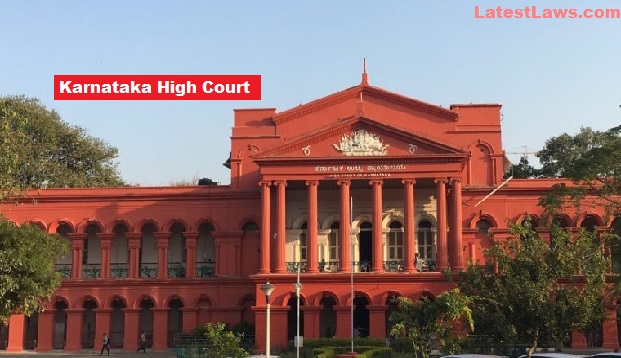
The Karnataka High Court has issued a significant directive, urging the Central government to initiate an investigation into the potential presence of Havana Syndrome in India. This development stems from a petition submitted by A Amarnath Chagu, a Bengaluru resident, who sought a writ of mandamus for an inquiry into Havana Syndrome occurrences in the country, as well as measures to prevent high-frequency microwave transmission. The court's move aims to address concerns related to public health and safety and underscores the importance of timely action.
Justice Krishna Dixit, presiding over a single-judge bench, acted upon the petition and secured a commitment from the Centre's counsel to undertake a thorough investigation within a three-month timeframe. This decision, made on July 27, reflects the court's proactive approach to addressing emerging health-related concerns.
Havana Syndrome, a constellation of unexplained health symptoms, has gained global attention due to its reported impact on United States intelligence and embassy officials in various nations. The syndrome encompasses symptoms such as auditory sensations without external sounds, nausea, vertigo, headaches, memory loss, and balance issues. Though the exact cause remains elusive, its potential link to high-frequency microwave transmission has prompted increased scrutiny.
The petitioner, invoking Article 350 of the Indian Constitution, underscored the importance of grievance redressal and urged authorities to investigate Havana Syndrome occurrences within India. The article enables citizens to bring their concerns to the government's attention for resolution.
The Centre's commitment to a swift investigation is noteworthy, particularly in light of an alleged incident involving a CIA officer experiencing similar symptoms during a 2021 visit to India. As researchers and health experts grapple with the enigmatic nature of Havana Syndrome, concerns persist about its potential impact on individuals in sensitive roles, including intelligence and embassy personnel.
Source: Link
Picture Source :




















