









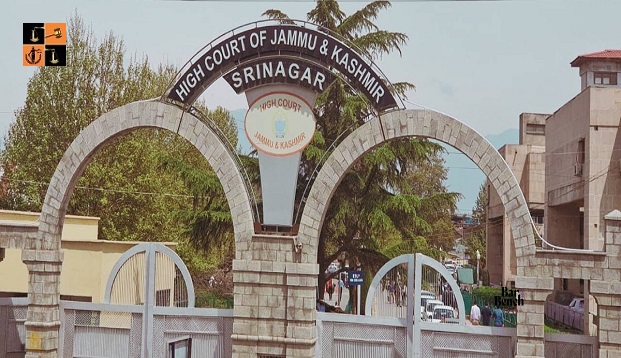
The Jammu & Kashmir High Court Bar Association, Jammu, issued a formal notification prohibiting litigants, clerks, and members of the public from donning attire resembling that of legal professionals, specifically, black coats, white shirts, and black trousers, within the precincts of the court complex.
The notice, signed by the Association’s Joint Secretary Anshu Mahajan, warns that individuals found violating this directive will be presumed to be touts and may face legal action, including the filing of formal complaints. The directive, dated July 19, underscores that the black-and-white dress code is a symbol of professional identity reserved exclusively for enrolled advocates.
This development stems from increasing concerns about instances of impersonation and unauthorized activities within court premises. The Association stated that misuse of the advocate’s attire creates confusion and facilitates fraudulent behavior, particularly targeting unsuspecting litigants.
In an effort to preserve courtroom decorum and clarity of professional roles, the Bar Association also instructed advocates to ensure that their interns are appropriately dressed. Interns are required to wear a uniform, including a black tie, but are strictly prohibited from wearing the white neckband, an accessory reserved for practicing lawyers.
A similar initiative was recently undertaken by the Rohini Court Bar Association in Delhi. In a notification dated July 15, the Bar strictly barred clerks, litigants, and the general public from wearing white shirts and black trousers while entering the district court premises. The directive was issued in response to complaints that touts were falsely presenting themselves as lawyers or clerks and deceiving ill-informed litigants.
Also Read: Rohini Court Bar Body bars Non-Lawyers from wearing White Shirt & Black Pants to curb Impersonation
The Rohini Bar body had earlier mandated that clerks must obtain official identity cards to prevent impersonation and fraudulent conduct. The notice explicitly stated that the legal dress code is reserved as a mark of dignity and professional status and should not be misappropriated by unauthorized individuals.
Picture Source : twitter.com



















