









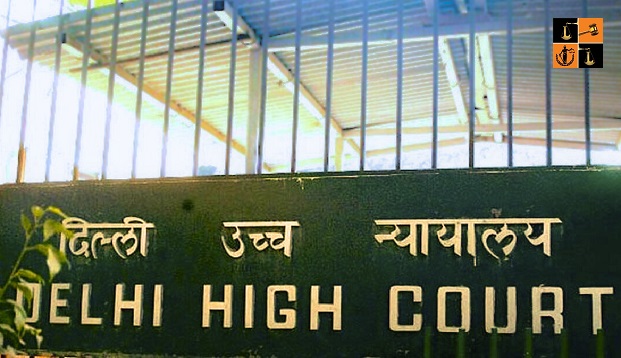
Today, in a dispute that places creative ownership at the centre of India’s independent music industry, Raman Negi, founding member and former frontman of the band The Local Train, has approached the Delhi High Court alleging unauthorised commercial exploitation of his musical works, denial of royalties, and unlawful appropriation of trademarks linked to the band’s identity. The suit brings into focus the statutory rights of authors and performers under the Copyright Act, 1957, and the legal consequences of informal creative collaborations that later unravel.
Negi has instituted a commercial suit before the High Court seeking protection and enforcement of his rights as an author, composer and performer, along with reliefs relating to trademark, goodwill and proprietary interests associated with The Local Train. The matter was briefly taken up by Justice Tejas Karia and has been listed for further hearing in March 2026.
According to the plaint, Negi conceived, authored and composed several original songs even prior to the formation of the band and remained its principal creative contributor during his tenure. He claims sole authorship of the lyrics of fifteen songs released under the albums Aalas Ka Pedh (2015) and Vaaqif (2018), and sole composition rights over five songs, including Choo Lo, Aaoge Tum Kabhi and Kaisey Jiyun. Certain other musical compositions, he asserts, were jointly authored with one of the defendants or a former band member.
To delineate his claims, Negi has categorised the works into three distinct groups, literary works and select musical compositions in which he asserts complete ownership; jointly authored musical compositions in which he claims an undivided 50 per cent share; and jointly produced sound recordings and audio-visual works where he asserts a minimum one-fourth share. He maintains that his authorship and creative role were consistently acknowledged within the band through documents, communications and public statements.
Negi has asserted that he never executed any written assignment, waiver or relinquishment of his copyright, performer’s rights or moral rights in favour of the defendants, as mandated under the Copyright Act. He states that while his intention to exit the band was communicated in December 2021, it was expressly subject to the settlement of accounts and completion of exit formalities, which allegedly remained unresolved despite repeated follow-ups.
The suit further alleges that during this period, the defendants continued to commercially exploit his copyrighted works across digital platforms, failed to reconcile royalties, withheld financial disclosures, and diverted revenues without transparency. It is also alleged that in August 2022, while Negi’s exit was still incomplete, one of the defendants filed trademark applications in their exclusive names without his consent, seeking to appropriate goodwill generated primarily through his creative contributions.
The matter was heard briefly by Justice Tejas Karia, who did not pass any substantive directions at this stage. The Court has listed the suit for further consideration in March 2026.
At the present stage, the High Court has deferred detailed adjudication. Negi, having earlier issued a legal notice in December 2024 and pursued pre-litigation mediation before the Delhi High Court Mediation and Conciliation Centre in March 2025, which concluded as “not settled” in September 2025, has now sought comprehensive relief through the suit. These include declarations of ownership, permanent injunctions restraining alleged infringement, rendition of accounts, payment of royalties, reliefs against the impugned trademark registrations, and consequential damages, interest and costs.
Disclaimer: This news/ article includes information received via a syndicated news feed. The original rights remain with the respective publisher.
Picture Source :




















