









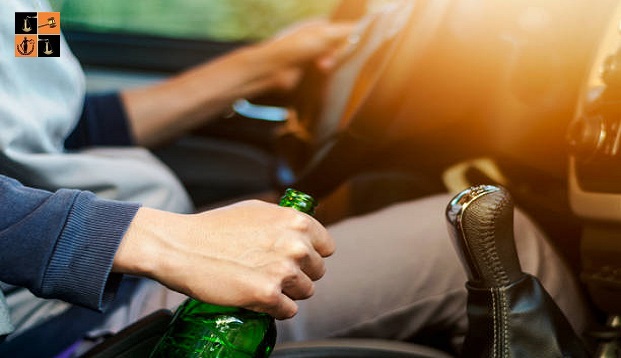
Recently, the Calcutta High Court highlighted the necessity of invoking Section 304(II) of the Indian Penal Code (IPC) in cases involving drunk driving accidents, where culpable homicide is evident. The Court observed that merely charging the accused with Section 304A IPC for reckless driving undermines the severity of such offences.
The case arose from a plea filed by the father of a deceased boy who tragically lost his life in an accident caused by a drunken driver. The petitioner alleged that the police authorities had initially failed to register any case. A formal case was later initiated, but concerns remained about the adequacy of the investigation.
The High Court emphasised the gravity of driving under the influence of alcohol, asserting that such behaviour goes beyond mere recklessness, stating that, “Normal reckless driving, Section 304A is okay... the Supreme Court has settled the law. A person who is driving must know that he cannot drive after drinking. That fact is not recklessness. In the normal course of driving, recklessness can happen also. I am giving you the liberty to add the sections before the ACJM”.
The Court directed the state advocates to ensure that in cases of drunk driving accidents, Section 304(II) IPC (culpable homicide not amounting to murder) should be applied given that the driver knowingly engages in a high-risk activity.
The High Court disposed of the plea, advising the petitioner to approach the jurisdictional magistrate if dissatisfied with the investigation's progress. The Court's directives underscore the importance of addressing the seriousness of drunk driving incidents to ensure accountability and justice for victims.
Picture Source :




















