









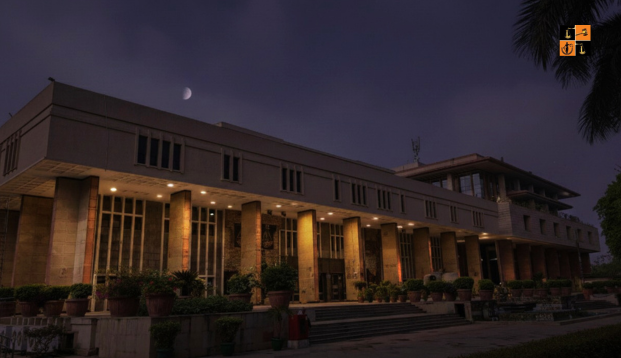
Recently, the Delhi High Court took note of the distress caused to a credit card holder who was asked to pay for disputed transactions, a situation that revealed loopholes in redress mechanisms and the hardship a consumer may endure when facing a powerful financial institution.
A credit card was issued in 2022, followed by another card a few months later, allegedly without the customer’s consent. Although the bank assured that the second card would remain inactive if unactivated, a bill exceeding Rs.75,000 was later raised, including a transaction disputed as fraudulent. Despite filing complaints with the bank, police, and later approaching the RBI Ombudsman, the customer continued to receive statements reflecting late fees, interest and repeated reminders for payment. Threats from recovery agents were also allegedly made when payment was refused due to the disputed nature of the transaction.
The complainant maintained that he should not be held liable for unauthorised transactions and that the bank failed to verify or resolve the dispute before adding charges and sending recovery notices. It was further argued that the continued billing and penalty imposition amounted to harassment and violation of consumer rights. The bank initially treated the amount as an outstanding payable and continued raising bills. The RBI Ombudsman rejected the complaint at first instance, first on the ground of the complainant’s professional background and later over an incomplete field in the complaint form, forcing escalation before the High Court.
The Court noted that a credit card holder who experiences fraudulent transactions is often pushed through a long, exhausting grievance process while banks keep adding charges, sending automated reminders, emails and notices. It was observed that customers with genuine disputes should not be hounded with recovery threats or penal charges during the pendency of complaint resolution. The court also found the RBI Ombudsman’s approach mechanical and insensitive, remarking that consumer grievances should not be rejected for minor procedural lapses or technical form errors.
The High Court directed strengthening of the RBI grievance redressal system, including a requirement that rejection of complaints undergo a second-level review by legally trained personnel such as retired judges or advocates. Banks were instructed to clearly display complaint resolution hierarchy on their websites and to refrain from imposing late fees, penalties or interest on disputed transactions until the complaint is decided. Compensation of Rs.1 lakh was imposed on the bank, which later issued an unconditional apology and reversed charges following court scrutiny.
Disclaimer: This news/ article includes information received via a syndicated news feed. The original rights remain with the respective publisher.
Picture Source :




















