









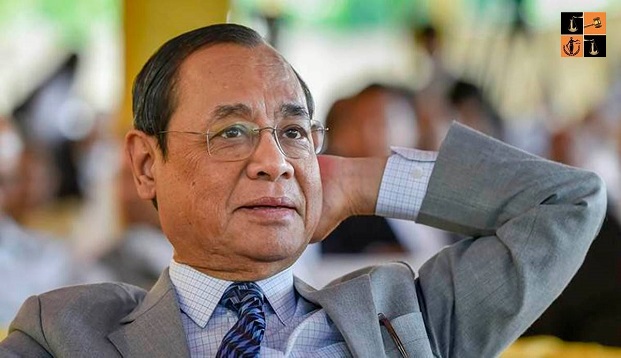
The tenure of former Chief Justice of India Ranjan Gogoi as a nominated member of the Rajya Sabha has come to an end, with Chairman C. P. Radhakrishnan formally announcing his retirement. While the House acknowledged his judicial stature and contributions, his relatively low participation during the six-year term has drawn attention, raising broader questions on the role and effectiveness of nominated members in legislative functioning.
Gogoi was nominated to the Upper House in March 2020, shortly after demitting office as Chief Justice, a move that sparked public debate over judicial independence and post-retirement appointments. During his tenure, Parliament witnessed deliberations on several key legislations, including major reforms in criminal law and governance.
However, data indicates that Gogoi maintained modest attendance and minimal participation, engaging in only one recorded debate concerning the Delhi services legislation. His remarks during that debate, particularly his criticism of the “basic structure” doctrine, stood in contrast with his earlier judicial pronouncements, adding to the discourse surrounding his legislative role.
Though not a judicial proceeding, the farewell remarks in the House underscored recognition of Gogoi’s legal expertise, with the Chair noting his “deep understanding of the legislative process and public interest.” At the same time, his own earlier statement, “I go to the Rajya Sabha when I feel like… I am not governed by any party whip”, reflected an independent but selective approach to participation.
With the conclusion of his term, no further institutional action follows, marking a routine cessation of membership.
Picture Source : https://indianexpress.com/article/india/ranjan-gogoi-vip-security-cover-7157293/



















