









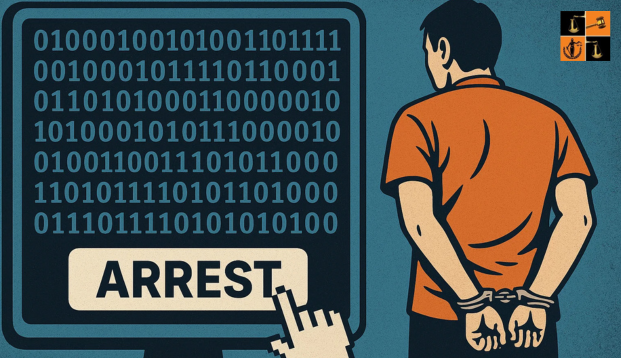
On Tuesday, Centre submitted before the Supreme Court of India that messaging platform WhatsApp has banned 9,400 accounts linked to ‘digital arrest’ scams since January, 2026 as part of a wider, multi-agency crackdown to curb the growing cyber fraud threat.
The action forms part of a coordinated response involving telecom regulators, service providers, the Reserve Bank of India, technology companies and the Central Bureau of Investigation.
The measures were detailed in a status report filed by the Indian Cyber Crime Coordination Centre under the Ministry of Home Affairs, following directions issued by the Apex Court earlier this year.
The matter is being heard by an SC bench headed by CJI Surya Kant, which had taken suo motu cognisance of rising incidents of online fraud, particularly cases involving ‘digital arrests’.
On February 9, the Supreme Court issued a series of directions to central agencies, asking them to work in coordination to contain such crimes. It also called upon key stakeholders, including the RBI and the Department of Telecommunications, to jointly develop a framework to compensate victims of these scams.
Digital arrest scams have emerged as a serious cyber threat in recent months. In such cases, fraudsters impersonate law enforcement agencies, including police or central investigative bodies, and intimidate victims with threats of arrest.
Victims are often contacted through calls or messaging platforms and coerced into transferring money under the pretext of avoiding legal action. The use of fake identities, forged documents and official-looking communication has made these scams increasingly convincing.
The Centre’s submission highlights that the response is not limited to blocking accounts but involves a broader strategy targeting the ecosystem enabling such frauds.
Authorities are working to strengthen coordination among banks, telecom operators and digital platforms to detect suspicious activity early. Efforts are also underway to improve real-time information sharing and tighten verification systems linked to SIM cards and financial transactions.
The role of WhatsApp in banning 9,400 accounts is seen as a key step in disrupting the communication channels used by fraudsters.
Picture Source :




















