









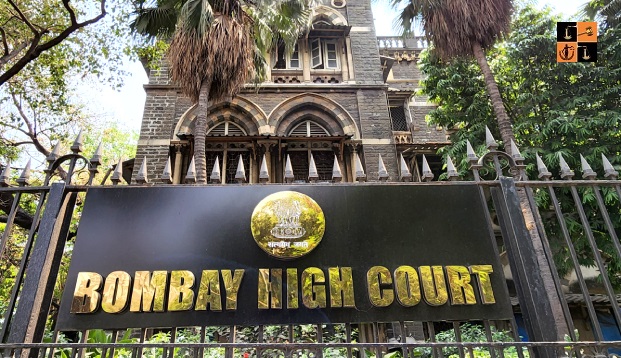
Recently, the Bombay High Court witnessed an unusual clash between consumer rights and insolvency law, as a dispute over a repossessed JCB machine spiralled into a debate on whether consumer proceedings can continue once a company enters insolvency. What began as a routine complaint before the District Consumer Commission soon evolved into a complex legal puzzle involving the interplay between the Consumer Protection Act, 2019 and the Insolvency and Bankruptcy Code (IBC),2016.
The case arose when a consumer approached the District Consumer Dispute Redressal Commission at Akola, alleging that a finance company had wrongfully seized his JCB machine despite substantial repayment of instalments. The Commission, finding merit in his grievance, directed that the machine be returned upon payment of the remaining dues. Matters, however, did not end there as in the course of enforcing its order, the Commission went a step further and issued bailable warrants against the company’s owner and chief executive officer, seeking to compel compliance.
Meanwhile, the finance company had already been placed under the scrutiny of the Reserve Bank of India, which had superseded its board, and the National Company Law Tribunal at Kolkata had initiated corporate insolvency proceedings against it. With a moratorium in force under Section 14 of the IBC and a resolution plan later approved, the company found itself in a unique predicament, caught between the protective shield of insolvency law and the binding orders of a consumer forum.
Arguing before the Court, the company maintained that the consumer complaint itself was not maintainable, as it was filed after the moratorium came into effect. It contended that the order passed by the Commission was void in law since the company was never made a party to the proceedings and any claim arising prior to approval of the resolution plan stood extinguished. The issuance of bailable warrants, the petitioner argued, was an unwarranted overreach in the face of statutory protection under the IBC.
The complainant, on the other hand, defended the proceedings, asserting that the complaint pertained to deficiency in service and unlawful repossession rather than monetary recovery. He argued that his right as a consumer could not be defeated merely because insolvency proceedings were pending and that the finance company’s employees were already party to the case.
After hearing both sides, the Court examined the scope of the moratorium under Section 14 and the binding nature of a resolution plan approved under Section 31 of the IBC. It observed that once insolvency proceedings commence, all suits, execution actions, or proceedings against the corporate debtor must come to a halt irrespective of the forum in which they are pending. The Court further noted that the consumer order directing the return of the JCB machine amounted to a property related direction and therefore fell within the bar created by the IBC. Since the company itself was never made a party before the Commission, the Court held that such an order could not have any binding effect.
Concluding its analysis, the Court emphasised that allowing consumer proceedings to continue parallel to insolvency would defeat the very objective of the IBC, which seeks to consolidate and resolve all claims in a single framework. The orders of the Consumer Commission were accordingly found to be contrary to law and the company’s petition was allowed.
Picture Source :



















