









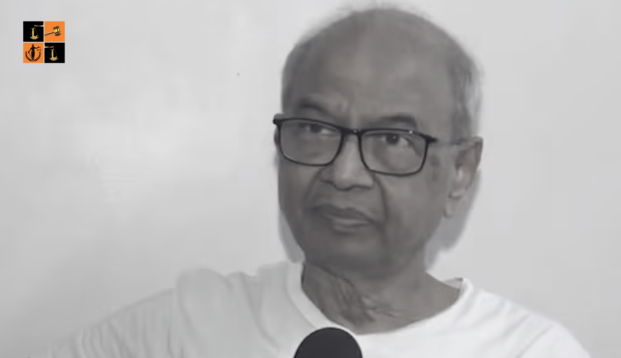
On Monday, the Supreme Court deliberated whether contempt proceedings could be initiated against advocate Rakesh Kishore, who allegedly attempted to throw a shoe at Chief Justice of India (CJI) B.R. Gavai on October 6, despite the CJI himself having chosen to pardon the act.
A Bench of Justice Surya Kant and Justice Joymalya Bagchi was hearing a plea filed by the Supreme Court Bar Association (SCBA) seeking criminal contempt proceedings against Kishore and a John Doe order to curb social media posts glorifying the incident.
Appearing for the SCBA, Senior Advocate Vikas Singh contended that while the CJI had displayed restraint immediately after the incident, Kishore subsequently gave media interviews where he justified his actions and even hinted at repeating them. “This behavior is being celebrated online. Such conduct cannot go unchecked,” he argued, urging the Court to act to protect the dignity of the judiciary.
Justice Surya Kant acknowledged that the conduct constituted a “serious act of criminal contempt,” but questioned whether the Court could initiate proceedings once the CJI had exercised leniency. “If the Hon’ble Chief Justice has chosen to forgive, should we now reopen it?” the Bench asked, indicating that it was more inclined to consider the preventive aspect of the SCBA’s plea.
Vikas Singh argued that the CJI’s decision not to press charges was a personal gesture of magnanimity, not an institutional stance. “The pardon was in his individual capacity. The institution’s dignity cannot be left vulnerable to ridicule,” he said, adding that Kishore’s post-incident conduct warranted independent action.
Justice Kant, however, noted that reviving the issue might inadvertently “amplify” Kishore’s notoriety. “Why give him unnecessary attention?” he remarked.
Justice Joymalya Bagchi raised a key legal issue: whether another Bench could initiate contempt once the presiding judge involved had opted not to do so. Referring to Section 14 of the Contempt of Courts Act, he observed that such actions, occurring in the court’s presence, are typically left to the discretion of the concerned judge. “If the CJI chose to overlook it, can another Bench or even the Attorney General reopen it?” Justice Bagchi asked, pointing to Section 15 for reference.
Singh maintained that Kishore’s subsequent glorification of the act was a fresh offence, independent of the original incident. “The pardon covered only the initial act, not his continued provocations,” he submitted, stressing that social media amplification was damaging the judiciary’s image.
While acknowledging the concern, Justice Kant emphasized restraint. “We may consider framing guidelines to prevent glorification of such behavior, but unnecessary punitive focus might embolden rather than deter,” he remarked.
Supporting the Bar’s concern, Solicitor General Tushar Mehta advised against reigniting the controversy, cautioning that the individual’s “fame would fade faster if ignored.” He noted that prolonging the discussion could “grant him the publicity he seeks.”
The Bench agreed that any harsh punitive action on the day of the incident could have escalated tensions. “Our focus should now be on preventive mechanisms rather than reactionary measures,” Justice Kant observed.
Ultimately, the Court deferred any contempt proceedings for the time being, deciding instead to explore guidelines aimed at deterring similar acts and preventing their glorification on digital platforms. The matter was adjourned for further consideration next week. A separate writ petition filed by evangelist Dr. K.A. Paul on the same issue was dismissed as not maintainable.
Disclaimer: This news/ article includes information received via a syndicated news feed. The original rights remain with the respective publisher.
Picture Source :



















