









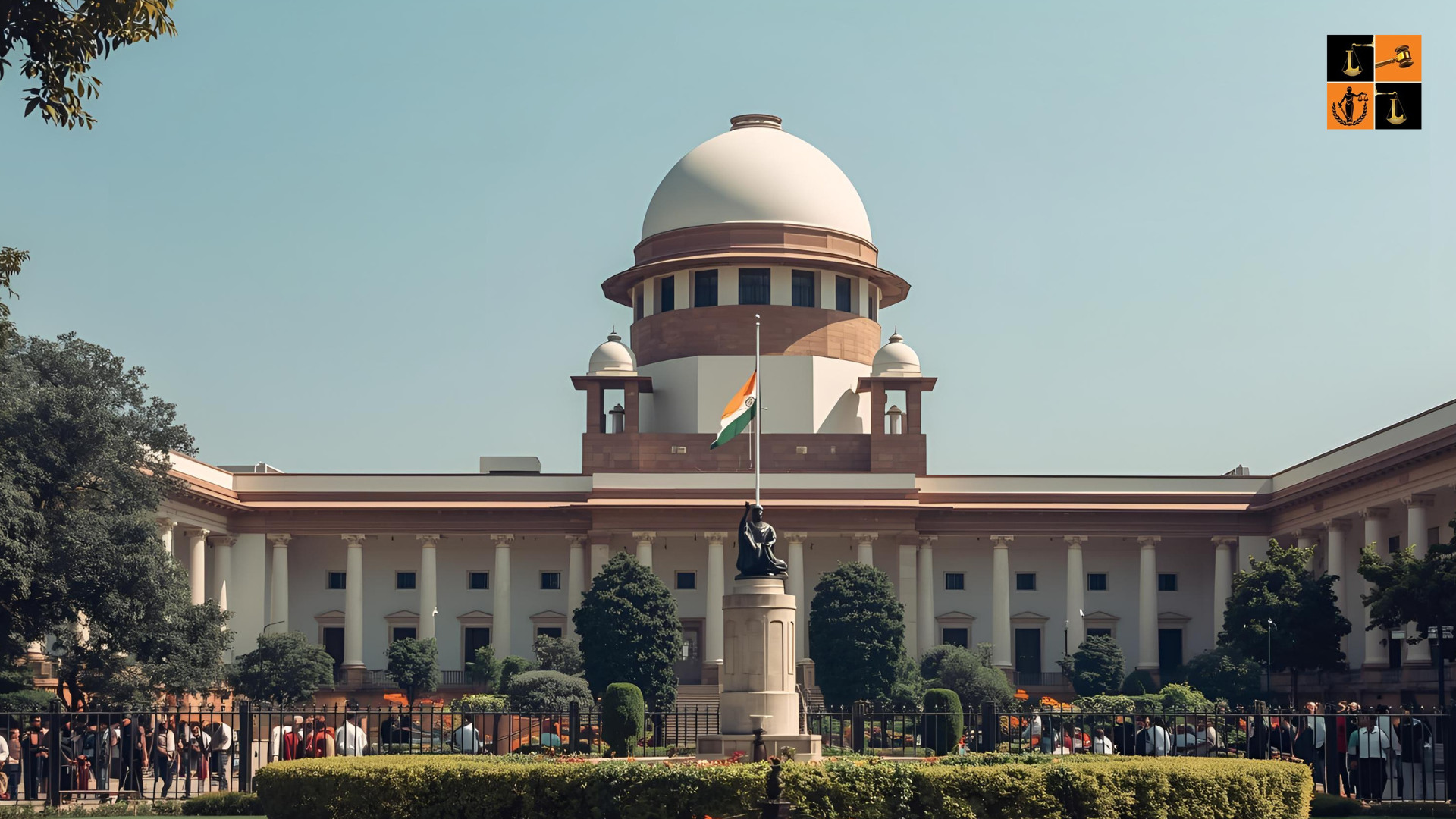
On Monday, the Supreme Court dismissed a public interest litigation seeking gender parity in Section 13(2)(iii) of the Hindu Marriage Act, observing that constitutional remedies cannot be used to pursue personal matrimonial grievances. The Bench, comprising Chief Justice of India Surya Kant and Justice Joymalya Bagchi, questioned the maintainability of the plea after the petitioner admitted he was personally involved in prolonged matrimonial litigation and was seeking relief for men facing similar disputes.
The petition challenged the provision that currently grants only a wife the right to seek divorce where cohabitation has not resumed for one year or more after a maintenance decree against the husband. Arguing in person, the Petitioner claimed the benefit should be extended equally to men and women. However, the Bench noted that the challenge appeared to stem from the Petitioner’s own matrimonial dispute rather than a genuine constitutional concern affecting the public at large. The Court was also informed that the Petitioner was pursuing legal studies, prompting the Bench to caution against invoking public interest jurisdiction for personal causes disguised as constitutional litigation.
The Bench made strong observations on the misuse of Article 32 jurisdiction. Chief Justice Surya Kant remarked, “Don’t settle personal vendettas through Article 32,” while Justice Joymalya Bagchi observed that the issue related to a special law and any such policy change fell within the legislative domain. The Court further noted that while the petitioner may have genuine personal grievances, similar sensitivity was also owed to the estranged spouse.
Consequently, the PIL was dismissed, with the Bench advising restraint and maturity in matrimonial disputes.
Disclaimer: This news/ article includes information received via a syndicated news feed. The original rights remain with the respective publisher.
Picture Source :




















