









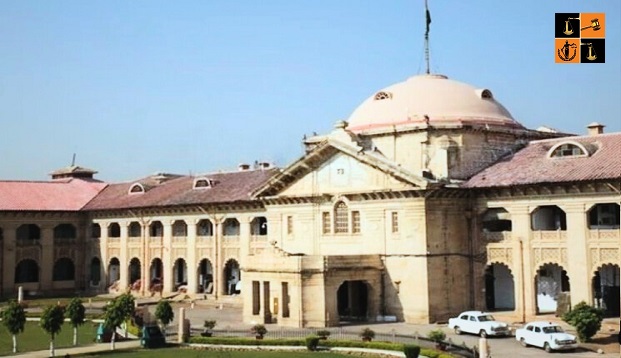
The Allahabad High Court observed that the Representation of the People Act, 1951, is a code in itself, and thus, the Limitation Act, 1963 provisions do not apply to election petitions, and the filing/presentation of the election petition is strictly governed by Section 81 of the Act, 1951.
Brief Facts:
The petitioner, Prahlad Singh, filed an election petition challenging the election of the respondent, Yogesh Chaudhary, as a Member of the Legislative Council. The petition sought to have Chaudhary's election declared null and void. The election certificate was issued on 14.03.2024, and the petition was filed on 30.07.2024, which was 92 days after the prescribed time limit, exceeding the 45 days set by Section 81 of the Representation of People Act, 1951.
Contentions of the Petitioner:
The learned counsel appearing on behalf of the petitioner submitted that Yogesh Chaudhary failed to disclose all pending criminal cases in his nomination form. Specifically, the petitioner highlighted an undisclosed criminal case filed in 2006, alleging offences under various sections of the IPC, in which Chaudhary was an accused.
Observations of the Court:
The court emphasised that under Section 86 of the Act, it is bound to dismiss any election petition that does not comply with the time requirements set by Section 81, and the statute provides no leeway or discretion for condoning delays, meaning the Court cannot consider the merits of a petition if it is filed outside the statutory timeframe. Further, the court stated that provisions of the Limitation Act do not apply to election petitions under the Representation of People Act, 1951. The right to challenge an election is statutory, and the timeline for filing such challenges is strictly governed by the special law, leaving no room for extensions.
The court referred to the decision in the Hukumdev Narain Yadav vs Lalit Narain Mishra, which held that election petitions are a unique statutory remedy governed by the Representation of People Act, and thus, the Limitation Act’s provisions do not apply and further referenced Charan Lal Sahu vs Nandkishore Bhatt, where it was ruled that challenging an election is a statutory right with no room for flexibility beyond the provisions of the special law.
The court concluded that unless and until an election petition is maintainable and is not barred by limitation, the merits of the matter cannot be seen and considered, and in the present case, it is apparent that the provisions of Limitation Act, 1963 do not apply to election petitions and the filing/presentation of the election petition is strictly governed by Section 81 of the Act and further the act specifically provides that if an election petition does not comply with the provisions of Section 81 or Section 82 or Section 117 of it, the High Court shall dismiss it.
The decision of the Court:
The court dismissed the petition due to being barred by Section 81, read with Section 86 of the Act 1951.
Case Title: Prahlad Singh vs Yogesh Chaudhary
Coram: Hon’ble Mr Justice Samit Gopal
Case No.: Election Petition No. - 11 of 2024
Advocate for the Petitioner: Amit Kumar Pandey
Advocate for the Respondent: None
Read Judgment @LatestLaws.com
Picture Source :



















