Friday, 17, Apr, 2026
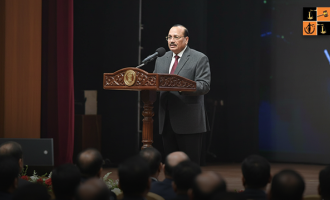
- CJI Surya Kant warns newly inducted Advocates-On-Record against using AI for Drafting, urges Personal Diligence over Blind Filing
- Forcible taking of Child by Father not "Illegal Detention" in Absence of Court order Violation, rules HC
- "दोहरी नागरिकता मामले में राहुल गांधी के खिलाफ दर्ज होगी FIR, हाई कोर्ट का आदेश"
- HC reminds Trial Courts that Mere Allegation of Mental Disorder cannot justify Psychiatric Test order against Spouse
- HC passes John Doe Order against anonymous X Accounts running "Brewing Campaign" of Hate against Lawyer Couple
- हाई कोर्ट का अहम फैसला: आगरा में छात्रा को जिंदा जलाकर मारने वाले दोषी की उम्रकैद बरकरार
- Guidelines laid by HC for Quashing of POCSO Cases, Read Judgment
- 'अपनी पसंद और जाति का जांच अधिकारी नहीं मांग सकते', इलाहाबाद हाई कोर्ट का अहम फैसला
- हाईकोर्ट का बड़ा फैसला, अब 'बहू' भी बनेगी अनुकंपा नियुक्ति की हकदार, कोर्ट ने कहा- बेटी से कम नहीं
- Statutory Birth Certificate cannot be overridden by Ossification Test unless forgery is Proved, rules HC
- Supreme Court refuses to revive Pawan Khera's Transit Bail, tells Him to face Assam Courts
- मेरी इजाजत के बिना तस्वीरों और वीडियो का इस्तेमाल न हो, पर्सनैलिटी राइट्स की रक्षा के लिए अल्लू अर्जुन पहुंचे दिल्ली हाईकोर्ट
- पवन खेड़ा को सुप्रीम कोर्ट से फिर झटका, कहा- बेल चाहिए तो असम की अदालत में जाएं
- "पालतू जानवरों की कस्टडी पर हाई कोर्ट का बड़ा फैसला, कहा- भावनात्मक रिश्ते को अहमियत देना जरूरी"
- सेवानिवृत्ति के बाद शिक्षकों को ग्रेच्युटी पाने का अधिकार, आयु सीमा का कोई बंधन नहीं: हाई कोर्ट का महत्वपूर्ण फैसला