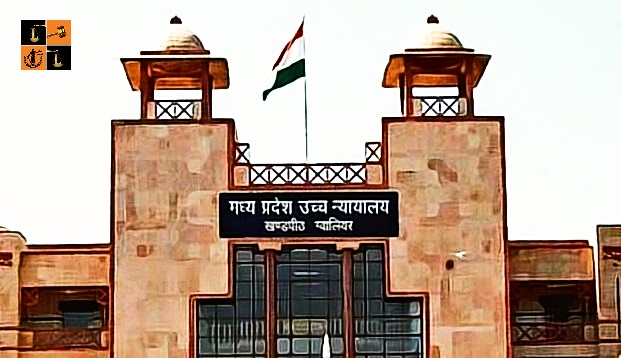
In a striking reaffirmation of the Hindu view of marriage as a sacred and indissoluble union, the Madhya Pradesh High Court has dismissed a husband’s appeal for divorce, commending the wife for exemplifying the values of an “ideal Indian woman.” The Court noted that despite being deserted for nearly two decades, she continued to reside in the matrimonial home, cared for her in-laws, and never relinquished the symbols of her marriage, the Mangalsutra and Sindoor.
The case arose from a marriage solemnised in November 1998, from which a son was born in December 2002. The wife has continued to reside in the joint family home with her father-in-law, mother-in-law, brother-in-law, and sister-in-law, while the husband serves as a constable in the Special Armed Force. Alleging that the wife disliked him, refused marital relations, accused him of habitual drinking and illicit relationships, and deserted him in 2006 without sufficient cause, the husband sought dissolution of marriage on grounds of cruelty and desertion. The wife refuted these claims, asserting her willingness to fulfil all marital obligations, maintaining respect towards her husband’s family, and alleging instead that the husband had formed a romantic relationship with a colleague. She emphasised that, despite his prolonged absence, she had never left the matrimonial home.
The Division Bench of Justice Vivek Rusia and Justice Binod Kumar Dwivedi observed, “Despite the pain of abandonment, she remains rooted in her dharma as a wife… she upholds her self-respect and dignity. She neither begs for her husband's return nor maligns him, but lets her quiet endurance and noble conduct speak up for her strength.”
The Bench noted that the wife had ensured her conduct did not tarnish either her maternal home or in-law's home, continuing to serve her parents-in-law with care “as she would have, if her husband was present.” It described her endurance as reflective of the Hindu ideal of womanhood, Shakti, “not weak, but submissive and powerful in her endurance and grace.”
The Court emphasised, “Even when left alone, she does not forsake the Mangalsutra, the Sindoor or the symbols of her marriage status as her marriage to her is not a contract, but a Sanskara- an indelible sacrament.” It rejected the husband’s claims of her unwillingness to fulfil marital obligations, noting the birth of their son and the absence of any support for his allegations from his own family members. It also found that her isolated statement about illicit relations, made in frustration while rebutting his accusations, could not amount to mental cruelty in the circumstances.
While invoking the maxim 'nullus commodum capere potest de injuria sua propria', which means that no one may derive an advantage from their own wrong, the Court ruled that the husband could not claim relief on the basis of his own neglect and mistreatment of the wife. Concluding that there was no material to substantiate cruelty on her part, the Bench found that it was, in fact, the husband who had deserted her and levelled unfounded accusations. Accordingly, the appeal was dismissed as lacking any merit.