Friday, 17, Apr, 2026
- RBI invites public comments on the draft Amendment Directions on review of methodology for identification of NBFC-UL and inclusion of Government owned NBFCs in NBFC-UL
- RBI imposes monetary penalty on The Himachal Pradesh State Co-operative Bank Ltd., Himachal Pradesh
- NHRC, India takes suo motu cognizance of the reported consumption of illicit liquor by a student mistaking it as soft drink stored in a huge quantity at the dilapidated toilet of his school in Siswa area of Begusarai district, Bihar
- NHRC, India takes suo motu cognizance of the reported death of one and injuries to seven others in an explosion at a private steel plant in Ramgarh district, Jharkhand
- CCI approves acquisition of 100% equity shareholding of KNR SPVs by Indus Infra Trust from KNR Constructions Limited
- सीबीआई न्यायालय ने बैंक धोखाधड़ी मामले में यूको बैंक के पूर्व कर्मचारियों एवं एक निजी प्रोपराइटर को कुल ₹30 लाख के जुर्माने के साथ 3 वर्ष के सश्रम कारावास की सजा सुनाई
- CBI Court sentences former UCO Bank officials and Private proprietor to 3 years rigorous imprisonment with a total a fine of Rs 30 Lakh in Bank Fraud Case
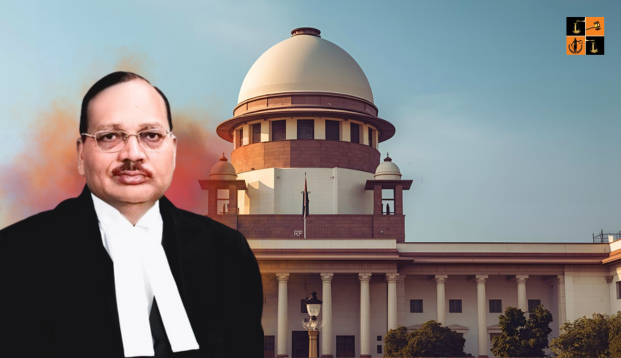
- CJI Surya Kant warns newly inducted Advocates-On-Record against using AI for Drafting, urges Personal Diligence over Blind Filing
- Forcible taking of Child by Father not "Illegal Detention" in Absence of Court order Violation, rules HC
- "दोहरी नागरिकता मामले में राहुल गांधी के खिलाफ दर्ज होगी FIR, हाई कोर्ट का आदेश"
- HC reminds Trial Courts that Mere Allegation of Mental Disorder cannot justify Psychiatric Test order against Spouse
- HC passes John Doe Order against anonymous X Accounts running "Brewing Campaign" of Hate against Lawyer Couple
- हाई कोर्ट का अहम फैसला: आगरा में छात्रा को जिंदा जलाकर मारने वाले दोषी की उम्रकैद बरकरार
- Guidelines laid by HC for Quashing of POCSO Cases, Read Judgment
- 'अपनी पसंद और जाति का जांच अधिकारी नहीं मांग सकते', इलाहाबाद हाई कोर्ट का अहम फैसला