Thursday, 30, Apr, 2026
- Religion No Bar in Appointment of Guardian of a Minor Child, Rules HC
- In Police Station Do Not take Accused to a Non CCTV Covered Areas, HC to Police
- Bizarre: 2046 is Fixed as the Next Date of hearing in a Senior Citizen's Case
- SC Directs Senior Advocates to represent Death Row Convicts
- Void Marriage No Bar to seek Pension if Long Cohabitation is cited, Rules HC DB
- Able Bodied Husband can't Refuse to Maintain Wife on No Income Plea, Rules HC
- Jail Term for Breach of Settlement before Lok Adalat in Cheque Bounce Case is Valid, Rules HC
- हाईकोर्ट में 27% OBC आरक्षण का मामला फिर फंसा, अब 13 मई से लगतार 3 दिन होगी सुनवाई
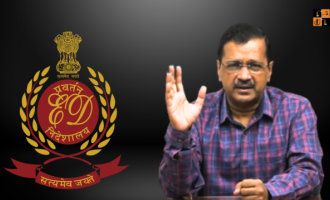
- आबकारी नीति मामला: उच्च न्यायालय ने पूर्व मुख्यमंत्री अरविंद केजरीवाल को नया नोटिस जारी किया
- Delhi HC administration files Police Complaint over VC disruption by Obscene Videos
- Can't Decide Questions of Title or Ownership in a PIL, Rules HC
- Mere Non Examination of Complainant in Corruption Case immaterial to Record Conviction, Rules HC
- Property Sold on Forged Will, Unaware Buyer Not Criminally Liable, Rules SC
- Cyril Amarchand Mangaldas advised Jio Financial Services Limited (Jio Financial Services) on their general insurance Joint Venture with Allianz Europe B.V. (Allianz)
- Cyril Amarchand Mangaldas advised PropShare Capital Advisors Limited on sale of equity and compulsorily convertible debentures by Propavenue Estate Private Limited and Instacoreasset Private Limited