Tuesday, 21, Apr, 2026
- JOB POST: Academic Associate at The JSW School of Public Policy (JSW-SPP), IIM Ahmedabad [Exp of 2 Years; Salary Upto Rs. 40k + Allowance]: Apply by April 30
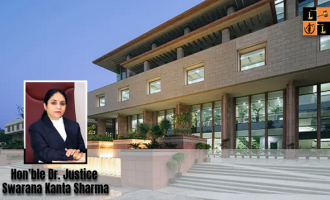
- राज्यसभा की सीट पक्की कर ली; जस्टिस स्वर्ण कांता ने दिया झटका तो ख़फ़ा AAP नेता
- 'बीवी और बच्चे पालने की हैसियत नहीं तो शादी नहीं करनी चाहिए', हाईकोर्ट ने पति की याचिका की खारिज
- Why did you get Married if you can't Maintain your Wife, HC DB to Husband
- झारखंड में बच्चों को चढ़ाया था HIV संक्रमित खून, हाई कोर्ट के हस्तक्षेप के बाद हुई आरोपी की गिरफ्तारी"
- UK Government mulls to introduce legal ban on smartphones in schools in England
- पंजाब सरकार पर जुर्माना: सजा के बाद भी सेवा में तैनात कर्मचारियों पर हाईकोर्ट सख्त, तीन हफ्ते का आखिरी मौका
- Know Why this HC quashed all criminal proceedings against bus driver accused of hitting Judge's car
- "यह कैसी जांच है, 7 साल से बच्ची ढूंढ नहीं पाए; हाईकोर्ट ने हेमंत सरकार को दी ‘सीबीआई’ वाली चेतावनी"
- 'गोकशी सिर्फ सामान्य कानून व्यवस्था का उल्लंघन नहीं...', NSA मामले में हाईकोर्ट ने खारिज कर दी याचिका
- उमर खालिद को सुप्रीम कोर्ट से झटका, रिव्यू पिटीशन की मांग खारिज की
- उन्नाव की पीड़िता को हाईकोर्ट से झटका,सेंगर की सजा बढ़ाने की मांग खारिज
- "आपराधिक केस में नौकरी गई तो क्या बरी हो जाने से वापस मिल जाएगी? हाई कोर्ट ने साफ की स्थिति"
- "When Politicians' kids can join Politics, why can't Judges' kids become advocates": J. Swarana Kanta trashes Kejriwal's recusal plea
- HC expounds: Treating Prior payments as Permanent Alimony does not itself, extinguish a subsisting maintenance order under Section 125 of CrPC