Friday, 17, Apr, 2026
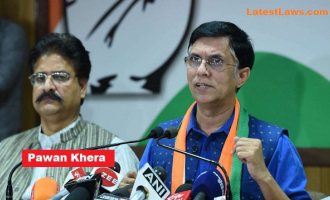
- Supreme Court refuses to revive Pawan Khera's Transit Bail, tells Him to face Assam Courts
- मेरी इजाजत के बिना तस्वीरों और वीडियो का इस्तेमाल न हो, पर्सनैलिटी राइट्स की रक्षा के लिए अल्लू अर्जुन पहुंचे दिल्ली हाईकोर्ट
- पवन खेड़ा को सुप्रीम कोर्ट से फिर झटका, कहा- बेल चाहिए तो असम की अदालत में जाएं
- "पालतू जानवरों की कस्टडी पर हाई कोर्ट का बड़ा फैसला, कहा- भावनात्मक रिश्ते को अहमियत देना जरूरी"
- सेवानिवृत्ति के बाद शिक्षकों को ग्रेच्युटी पाने का अधिकार, आयु सीमा का कोई बंधन नहीं: हाई कोर्ट का महत्वपूर्ण फैसला
- "UCC has nothing to do with Religion, it's a Constitutional Ambition": CJI Surya Kant
- सेना के पूर्व सैनिकों को सुप्रीम कोर्ट से झटका: पे फिक्सेशन नियमों में बदलाव की याचिका खारिज; कही ये बात
- हाईकोर्ट का बड़ा फैसला: आसाराम आश्रम को ढहाने का रास्ता साफ, जल्द चलेगा बुलडोजर
- Right to Address the Court only for Advocates or Parties in Person, not for GPA or SPA, Rules HC
- कमाई छिपाकर जिम्मेदारी से नहीं बच सकता पति मेंटेनेंस देना पड़ेगा, हाई कोर्ट का अहम आदेश
- हाई कोर्ट का आदेश, अब जंगलों के 500 मीटर दायरे के बाहर ही होगा खनन; 250 मीटर वाला नियम रद्द"
- 'वंदे मातरम' विवाद पर हाई कोर्ट सख्त, इंदौर की दो महिला पार्षदों को नोटिस, जवाब तलब
- मुस्लिम औरतों की आड़ में शरीयत को चुनौती, सुप्रीम कोर्ट ने मोदी सरकार से चार हफ्ते में मांगा जवाब
- कोर्ट में दो मामले: कैंसर पीड़ित पत्नी के पति का तबादला आदेश पर रोक, फर्जी डिग्री प्रकरण में विवि के चेयरमैन को जमानत नहीं
- "पत्नी का अफेयर पति की आत्महत्या के लिए उकसावा नहीं, सुप्रीम कोर्ट ने पलटा हाईकोर्ट का फैसला"