Wednesday, 22, Apr, 2026
- Supreme Court warns Bar Associations that defying 30% Women's Quota will cost them Suspension
- Once a Decree is Passed, Execution Court can't Modify it's terms, Rules SC
- Right of Regularisation of Employment can't be Defeated by short Breaks in Ad-hoc Service, Rules SC
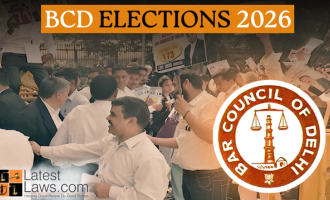
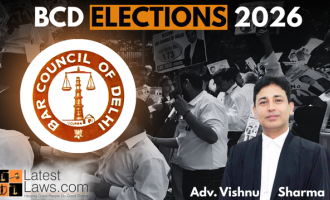
- Bar Council of Delhi Elections 2026: Bar Council bans entry of Eliminated Candidates and Representatives in the counting area of Delhi HC
- ‘Award is not a Decree of Civil Court’: Case Summary of Apex Court’s Sundaram Finance decision on Execution of Awards
- Bar Council of Delhi Election 2026 Scandal: Bar Council issues Show cause notice to Adv. Vishnu Sharma for alleged involvement in vote forgery
- Ministry of Women and Child Development Internship 2026, New Delhi [4–12 Weeks; 20 Interns; Stipend of Rs. 20,000]
- One Day National Workshop on Intellectual Property and Sports, 2026 by NLUJ-CIPS [Virtual; April 26]: Register by April 25
- JOB POST: Research Scholars at Judicial Academy, Jharkhand [Salary of Rs. 50k; Contractual; 1 Year; 2 Vacancies]: Apply Now!
- HC to Govt & Police: Waiting for a Judge to be attacked before acting is not an option, mandates Fresh Meeting within a Week
- SC allows Chhattisgarh Court employee to sit LL.B. 3rd Year Exams, says losing academic year over Permission Dispute would cause "Disproportionate Harm"
- हिमाचल प्रदेश: टैक्सी से मायके न ले जाने पर रूठी पत्नी, तीन साल में टूटा विवाह; अब पति को कोर्ट से मिला न्याय
- Bar Council of Delhi Elections 2026: Election Committee declines request for re-polling, terms Election process soul of Democratic Institution
- Presumption of legitimacy cannot be lightly disturbed says HC on DNA tests to prove Adultery
- पवन खेड़ा की ओर से अभिषेक मनु सिंघवी ने दी ऐसी दलील, हाईकोर्ट के जज साहब ने हिमंत सरकार को लगा दी फटकार