Friday, 17, Apr, 2026
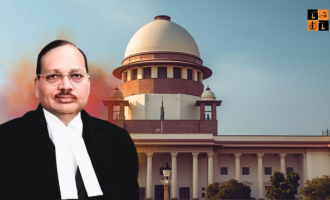
- "UCC has nothing to do with Religion, it's a Constitutional Ambition": CJI Surya Kant
- सेना के पूर्व सैनिकों को सुप्रीम कोर्ट से झटका: पे फिक्सेशन नियमों में बदलाव की याचिका खारिज; कही ये बात
- हाईकोर्ट का बड़ा फैसला: आसाराम आश्रम को ढहाने का रास्ता साफ, जल्द चलेगा बुलडोजर
- Right to Address the Court only for Advocates or Parties in Person, not for GPA or SPA, Rules HC
- कमाई छिपाकर जिम्मेदारी से नहीं बच सकता पति मेंटेनेंस देना पड़ेगा, हाई कोर्ट का अहम आदेश
- हाई कोर्ट का आदेश, अब जंगलों के 500 मीटर दायरे के बाहर ही होगा खनन; 250 मीटर वाला नियम रद्द"
- 'वंदे मातरम' विवाद पर हाई कोर्ट सख्त, इंदौर की दो महिला पार्षदों को नोटिस, जवाब तलब
- मुस्लिम औरतों की आड़ में शरीयत को चुनौती, सुप्रीम कोर्ट ने मोदी सरकार से चार हफ्ते में मांगा जवाब
- कोर्ट में दो मामले: कैंसर पीड़ित पत्नी के पति का तबादला आदेश पर रोक, फर्जी डिग्री प्रकरण में विवि के चेयरमैन को जमानत नहीं
- "पत्नी का अफेयर पति की आत्महत्या के लिए उकसावा नहीं, सुप्रीम कोर्ट ने पलटा हाईकोर्ट का फैसला"
- हाइड्रो पावर कंपनियों से लैंड रेवेन्यू वसूली पर दंडात्मक कार्रवाई नहीं करेगी सुक्खू सरकार, हाईकोर्ट में दिया भरोसा
- धर्मांतरण विरोधी कानून के तहत झूठे मामलों पर हाईकोर्ट ने जताई चिंता, पूछा- क्या कार्रवाई की गई
- बालिग हैं तो अपनी पसंद की शादी का है अधिकार, हाई कोर्ट परिवार से मिल रही धमकियों पर सख्त
- Remote Internship Opportunity at Vintage Legal [May 1 – 30; No Stipend]: Apply by April 29
- JOB POST: Joint Registrar in the National Company Law Appellate Tribunal (NCLAT), Chennai [1 Year]: Apply by June 3!